
Description
Alpine flax (Linum alpinum) is a herbaceous perennial belonging to the Linaceae family. It is a highly resilient species specifically adapted to high-altitude environments, making it a sought-after choice for rock gardens, scree beds, and xeriscaping projects across temperate climate zones.
The plant originates from the mountainous regions of Europe, particularly the Alps and Pyrenees. Its evolutionary history in these harsh, rocky habitats has endowed the species with deep root systems capable of anchoring into rocky soil and storing nutrients, allowing it to survive periods of intense UV radiation and temperature fluctuations.
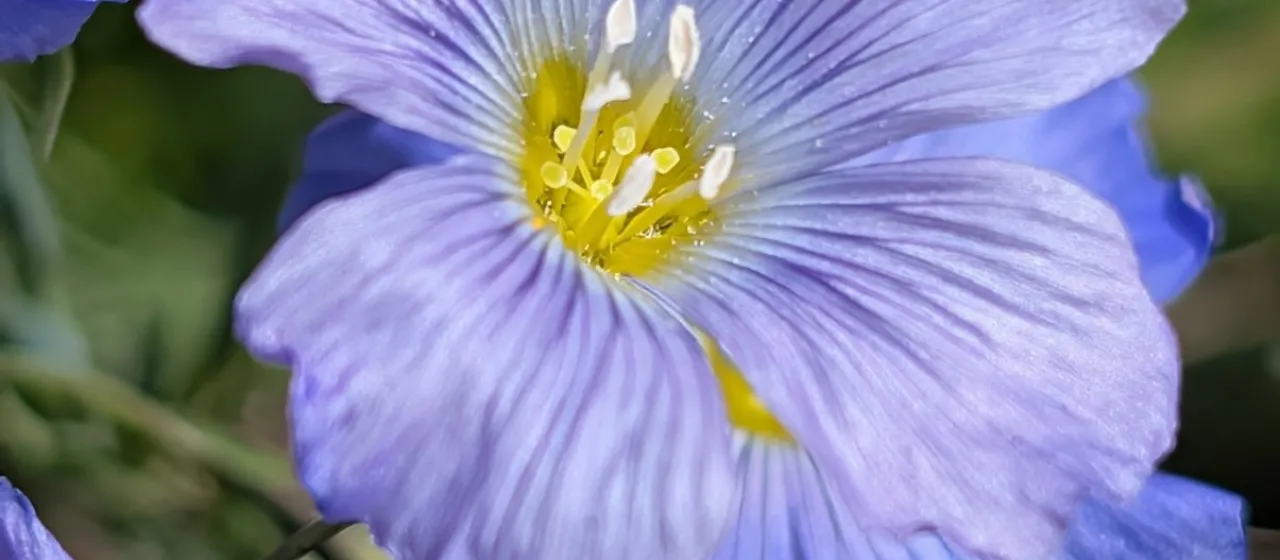
From a botanical perspective, Alpine flax displays delicate, lanceolate leaves that form a low-growing mound, typically reaching a height of 20 to 40 centimeters. The most striking feature of the plant is its abundance of large, sky-blue, saucer-shaped flowers, which provide a significant visual impact during the peak flowering season.
Successful cultivation requires attention to soil structure; it thrives in well-draining, slightly alkaline or neutral gravelly soils. It demands full sun exposure and will not tolerate heavy, clay-rich soils that retain moisture, as these conditions frequently lead to root rot and loss of plant vigor during the winter dormant season.
While generally low-maintenance, Alpine flax can be susceptible to specific agricultural issues. Fungal infections, such as powdery mildew or root rot, are common if air circulation is poor or if the soil remains waterlogged. Monitoring for pests like the flax flea beetle is recommended, particularly during the early growth stages, to ensure the health and longevity of the planting.