
Description
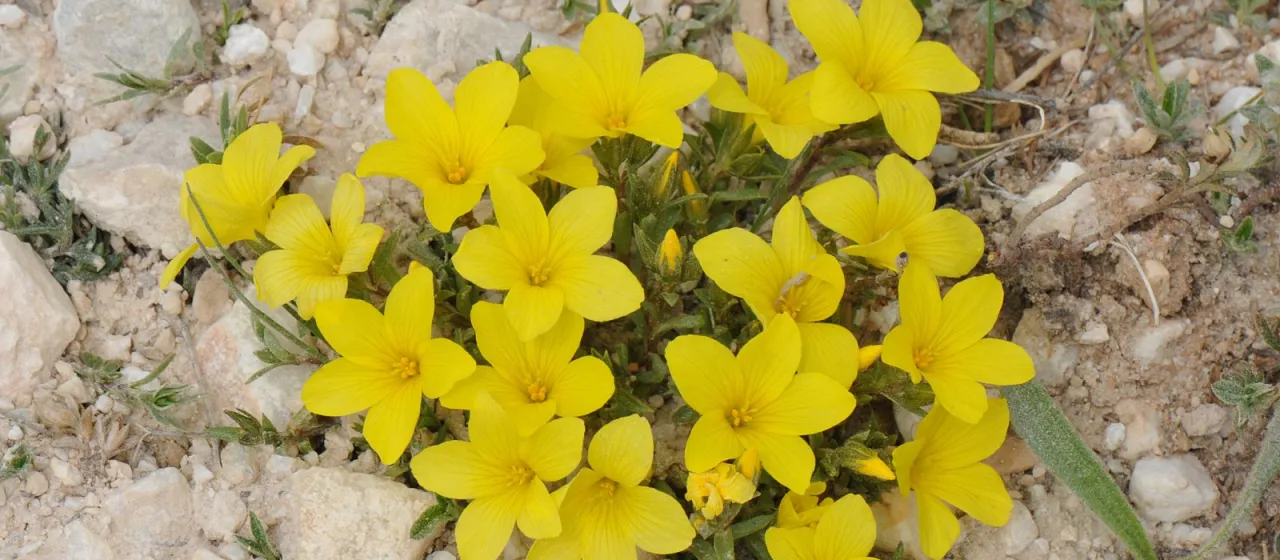
Elegant flax (Linum elegans) is a perennial herbaceous plant belonging to the Linaceae family. Unlike industrial flax species, this plant is primarily valued in botanical collections and ornamental horticulture for its delicate morphology and aesthetic appeal, often serving as a specialized ornamental crop for rock gardens and Mediterranean-style landscapes.
The species is native to Southern Europe, typically found in mountainous regions or rocky slopes. Its natural distribution range is defined by regions with temperate climates, where the plant has evolved to thrive in well-drained, nutrient-poor soil conditions under direct sunlight. This adaptation makes it a resilient plant for specific gardening environments.
Botanically, Linum elegans is characterized by its slender, branching stems and narrow, alternate leaves. The flowers are typically pentamerous, displaying soft hues that justify its specific epithet. The plant develops a robust, though fine, root system that helps it maintain stability in stony substrates, which is a hallmark of the species' survival strategy.
Cultivation requirements focus heavily on soil structure and irrigation management. The plant demands well-drained, calcareous or sandy loam soils. Overwatering is the most significant risk to the crop's health, as waterlogged conditions inhibit root respiration and promote the development of fungal pathogens. Providing sufficient air circulation and exposure to full sun is critical for optimal growth.
While not a major commercial fiber or oil crop, elegant flax holds value in the nursery and landscaping sectors. Key challenges in its maintenance include managing pests like aphids during the active growing season and preventing root rot. Regular monitoring and proper site selection remain the cornerstones of successful cultivation for this species.