
Description
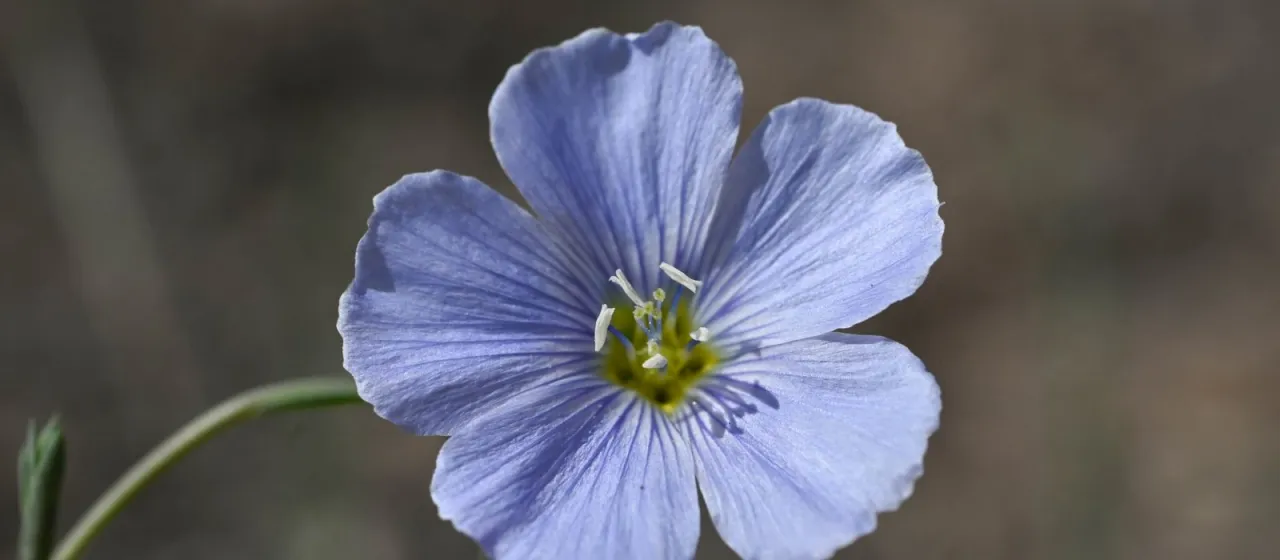
Lewis flax (Linum lewisii) is a perennial herb species belonging to the Linaceae family. Renowned for its resilience and graceful appearance, this plant is increasingly recognized not only for its ornamental value but also for its ecological role in meadow restoration and sustainable land management.
The native range of this species extends across North America, stretching from Alaska down to Northern Mexico. It thrives in diverse environments, including prairies, dry ridges, and rocky slopes. Its ability to colonize challenging terrains makes it a valuable asset for farmers and landscape architects working in semi-arid and highland regions.
The botanical structure of Lewis flax features multiple stems arising from a single rootstock, reaching heights of 60 to 80 centimeters. The leaves are narrow and linear, creating a light, airy texture. The pale blue, bowl-shaped flowers bloom sequentially throughout the spring and summer months, providing a continuous aesthetic appeal in agricultural landscapes.
Agronomic success with Linum lewisii depends heavily on site selection. The plant demands well-draining, sandy, or rocky soils and requires full sun exposure. It is highly drought-tolerant once established, owing to its deep taproot, which allows it to access water reserves that are inaccessible to many other shallow-rooted crops.
Agricultural and utility purposes include:
- Restoration of native grassland ecosystems and erosion control.
- Use in sustainable landscaping where low water inputs are critical.
- Supporting pollinator populations, as the flowers are rich in nectar.
- Development of low-maintenance meadows for agricultural biodiversity.
Common plant health issues involve fungal infections such as root rot or wilt, usually triggered by waterlogged conditions. Pests like flax beetles can occasionally cause damage to the foliage. To maintain crop health, it is essential to ensure proper spacing to promote air circulation and to avoid over-irrigation during the growing cycle.