
Description
Native flax, known by the scientific name Linum marginale, is a perennial herbaceous plant within the Linaceae family. Unlike common commercial flax, this species is indigenous to Australia and is recognized for its ability to thrive in a variety of challenging environmental conditions, making it an interesting subject for both ecological and agricultural study.
The geographic range of Linum marginale spans across the Australian continent, where it occupies diverse habitats including forests, grasslands, and woodland areas. Its evolutionary history in these varied ecosystems has endowed it with significant resilience to both the high temperatures of the inland regions and the unpredictable rainfall patterns characteristic of its native environment.
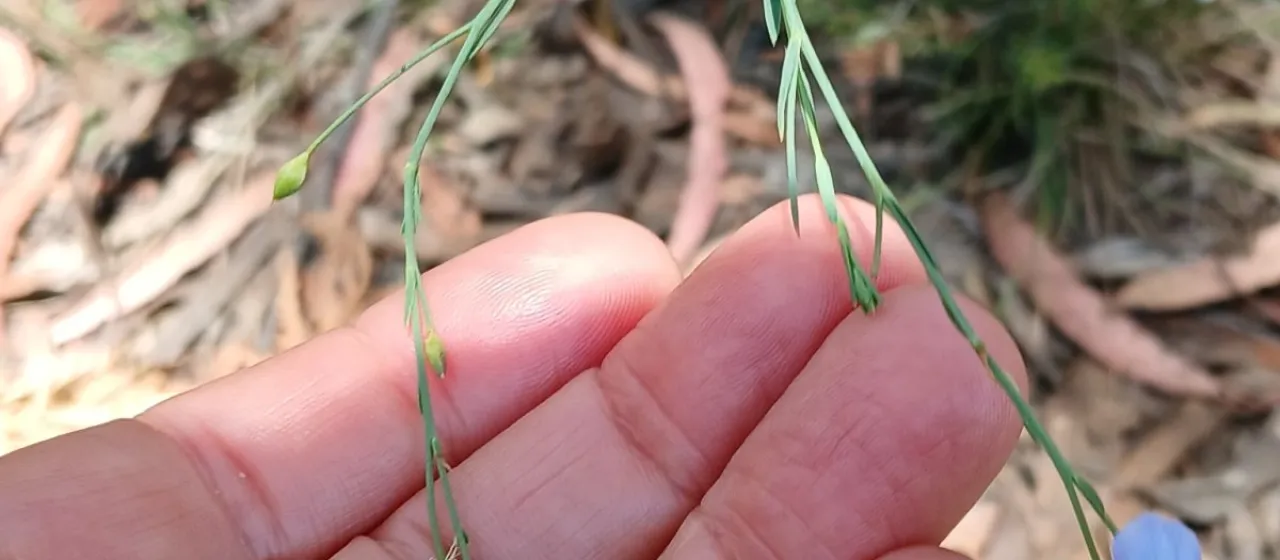
Botanically, the plant is characterized by slender stems and narrow, alternate leaves. It produces delicate, sky-blue, five-petaled flowers that bloom over an extended period. The plant's architecture is designed for efficiency, with a deep taproot that helps it anchor in various soil types and access moisture reserves when surface water is scarce.
In terms of cultivation, Native flax performs best in well-drained, fertile soils with a neutral pH level. It prefers open, sunny positions and does not tolerate waterlogging, which can lead to rapid deterioration of the root system. Standard agronomic practices for this plant involve minimal intervention, as it is naturally adapted to low-nutrient environments, though weed control during the establishment phase is essential.
From a хозяйственное perspective, Linum marginale is primarily appreciated for its role in biodiversity restoration and ornamental landscaping. However, its hardy nature suggests potential for future breeding programs aimed at developing drought-tolerant flax varieties. Typical pests include aphids, while fungal pathogens like Fusarium may impact stands if the drainage conditions are poor. Monitoring soil moisture and maintaining air circulation around the plants remain the primary management strategies.