
Description
Sea flax (Linum maritimum) is a perennial herbaceous plant belonging to the Linaceae family. Unlike common flax (Linum usitatissimum), this species is highly valued in botanical circles for its unique adaptation to coastal environments and saline soils, making it a subject of interest for crop diversification and genetic research.
The native range of Sea flax covers the Mediterranean basin and various parts of Europe. It thrives in humid habitats, including salt marshes and damp meadows. Its ability to colonize these challenging sites demonstrates a robust physiological resilience that distinguishes it from other species within the genus Linum.
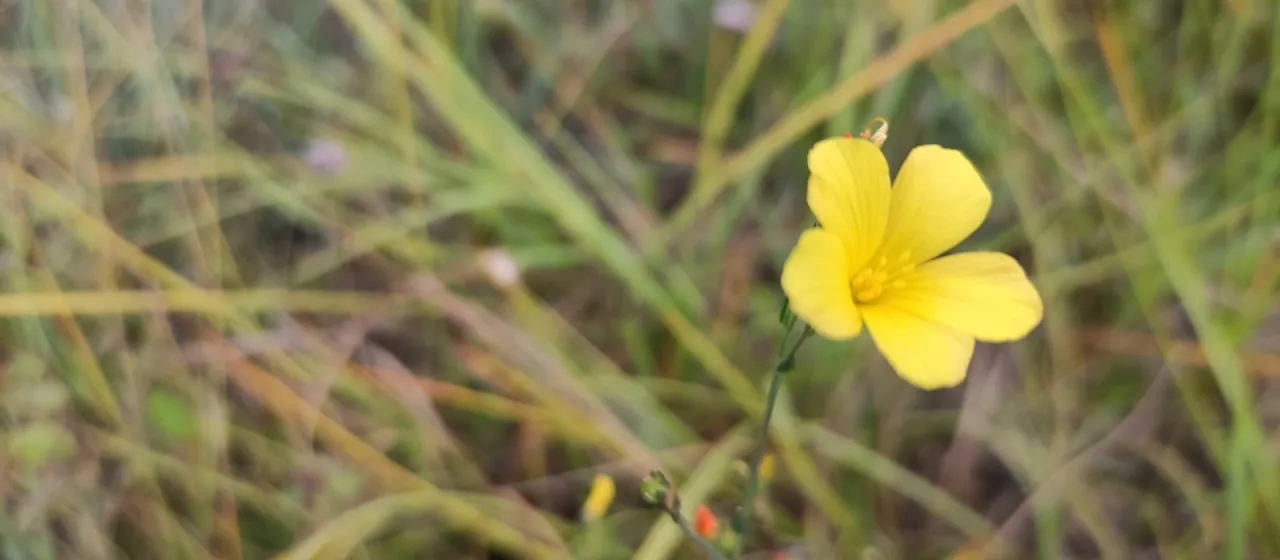
Botanically, the plant presents with slender, branched stems reaching heights of 20 to 50 cm. Its leaves are lanceolate and arranged alternately along the stem. The inflorescence is terminal, featuring vibrant yellow flowers that develop a knot-like structure as they mature, which serves as a key identifying characteristic during the flowering period.
Cultivation requirements for Sea flax prioritize stable moisture levels and well-drained, neutral to slightly alkaline soil. While it is not a major commodity crop, experimental farming emphasizes the need for careful irrigation management to mimic its natural, slightly saline wetland habitat. Exposure to direct sunlight is essential for successful flowering and seed maturation.
- Tolerance to saline environments.
- High ornamental potential.
- Unique genetic markers for crop stress resistance.
- Minimal nutritional input required.
The economic potential of Sea flax is currently being explored in the context of bio-prospecting for medicinal compounds and secondary metabolites. Like other flax species, it is susceptible to pests such as the flax flea beetle and diseases like Fusarium wilt. Managing these threats requires a proactive approach, including crop rotation and the selection of disease-resistant specimens for propagation.