
Description
The bristle-leaved flax (Linum setaceum) is a perennial herbaceous plant belonging to the Linaceae family. This species is taxonomically distinct due to its unique adaptation to dry, rocky environments, which makes it a subject of interest for both evolutionary botanists and researchers looking for drought-tolerant germplasm.
The native distribution area of this species is primarily located in the Mediterranean region, particularly on the Iberian Peninsula. It naturally thrives in stony soils, limestone slopes, and open, dry grasslands, where it exhibits a high degree of resilience to environmental stress factors typical of these ecosystems.
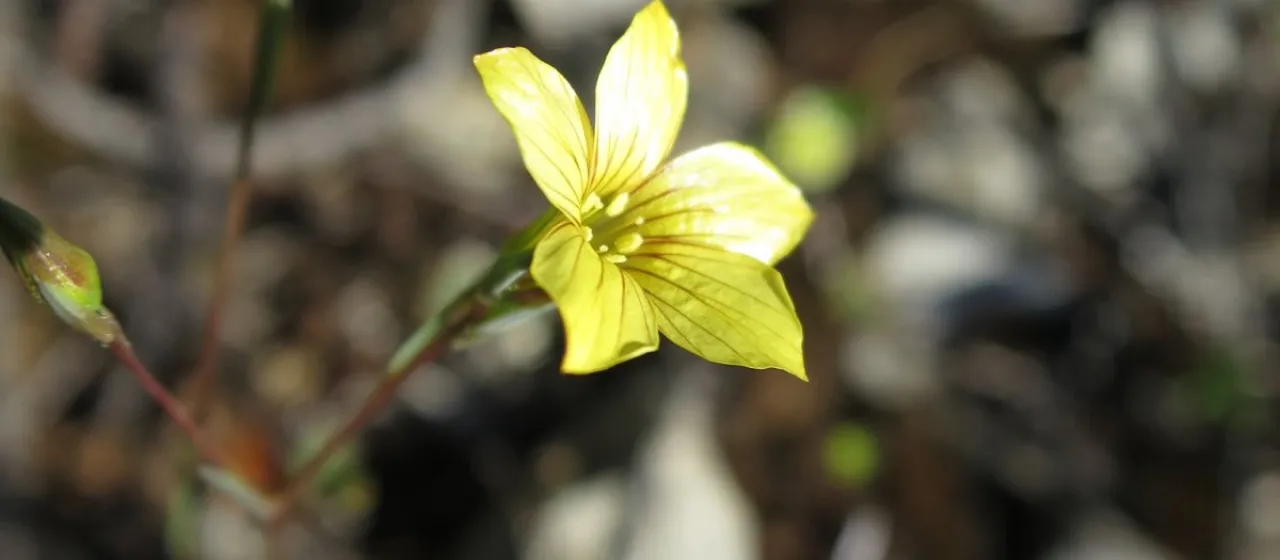
Botanically, Linum setaceum is characterized by thin stems and narrow, acicular leaves that resemble bristles, providing protection against excessive transpiration. The flowers typically exhibit the characteristic five-petal arrangement seen in the genus, appearing in delicate shades. Its root system is deep and efficient at extracting moisture from rocky crevices.
Climatic and soil requirements for this crop are specific: it is a heliophytic plant that demands full sun exposure and excellent soil aeration. In terms of agronomy, it is poorly suited for commercial high-intensity farming but is highly adapted to low-input management systems where soil quality is poor and water availability is limited.
While not a major commercial fiber or oil crop, Linum setaceum remains valuable for biodiversity studies and potential use in restoration ecology. Typical pests and diseases include root rots caused by excessive humidity and standard flax pests such as aphids or flea beetles, although its wild nature often grants it a higher level of natural resistance compared to common agricultural flax cultivars.