
Description
Upright flax (Linum strictum) is an annual herbaceous plant belonging to the Linaceae family. Unlike its relative, common flax, this species is noted for its adaptability to harsh environments, particularly in arid and semi-arid regions. It is highly valued for its ability to thrive in poor soils where other commercial crops might struggle to survive.
The plant is native to the Mediterranean basin and Western Asia. Its natural habitat includes dry grasslands, rocky slopes, and open, sun-drenched areas. Due to its evolutionary history in these regions, it has developed significant tolerance to high solar radiation and prolonged summer heat, characteristics that are essential for its survival in the wild.
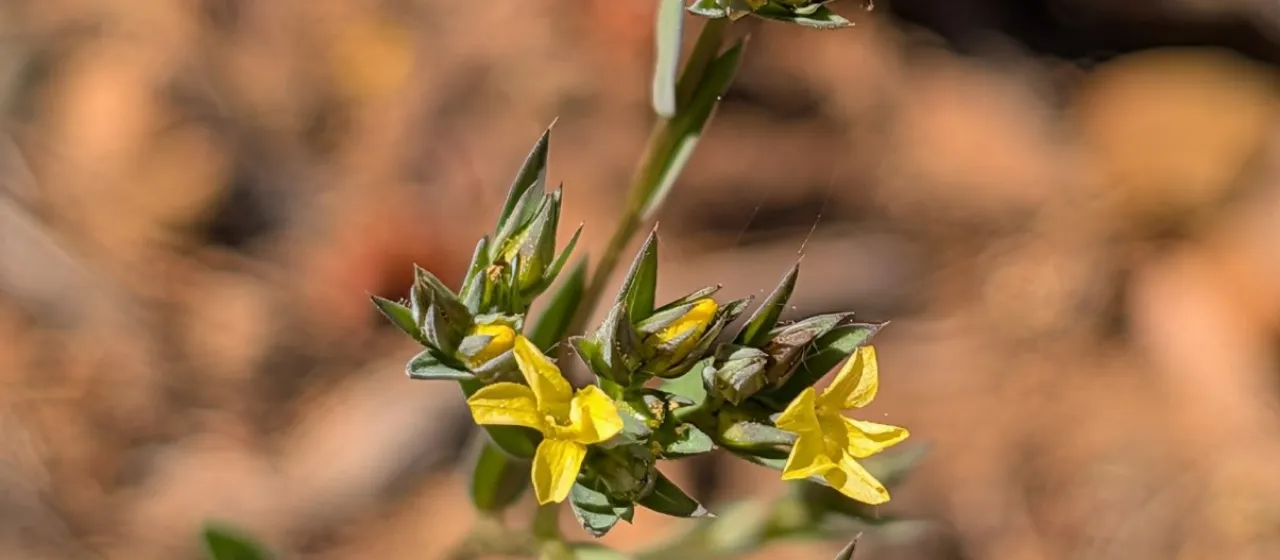
Botanically, Linum strictum features stiff, upright, and branched stems. The leaves are narrow and sessile, while the flowers are arranged in compact, corymb-like inflorescences, displaying bright yellow petals. The plant produces small, spherical capsules containing seeds, which represent the primary method of reproduction and dispersal.
In terms of agricultural requirements, this species prefers well-drained, porous soils such as sandy loams or rocky substrates. It does not require high levels of fertilization and is notably sensitive to waterlogging. Planting should occur in areas that receive maximum sunlight exposure, as even partial shade can negatively affect the plant's growth habit and flowering intensity.
The agricultural use of Upright flax is primarily focused on soil conservation and pasture restoration. Because it is highly resistant to typical pests and diseases that affect fiber flax (like fusarium wilt or rust), it serves as a valuable genetic resource for crop breeders looking to improve the resilience of related agricultural species. Furthermore, it aids in maintaining biodiversity in pastoral ecosystems.
- Exceptional drought tolerance
- Preference for rocky and sandy soils
- Natural resistance to common flax diseases
- Minimal input requirements for growth