
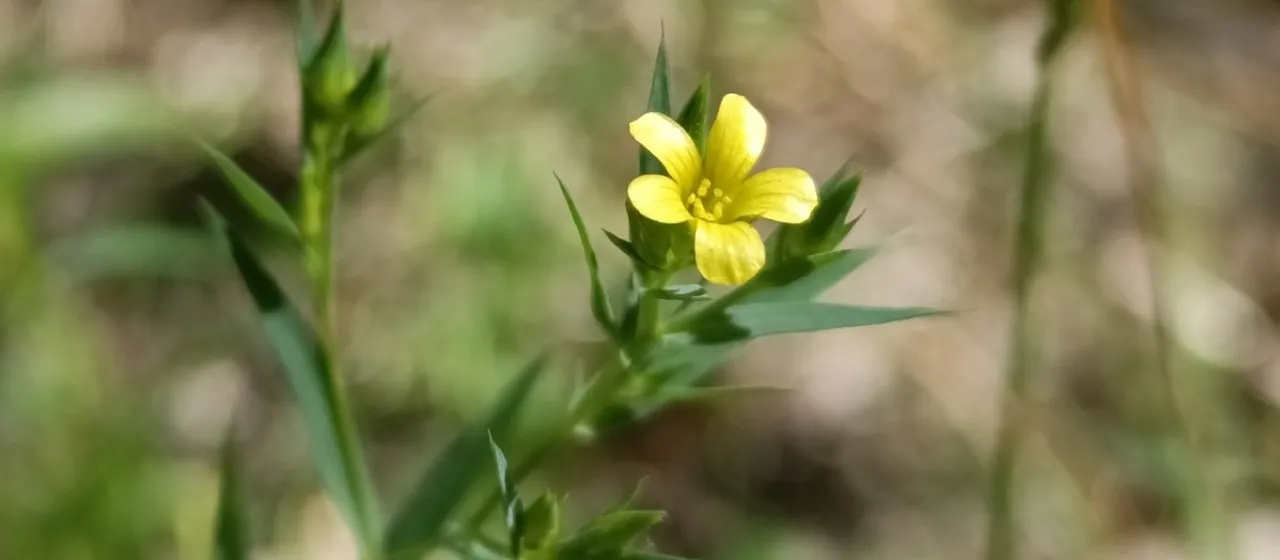
Description
Three-styled flax (Linum trigynum) is a distinct botanical species belonging to the Linaceae family. It is known for its unique floral morphology, specifically the presence of three distinct styles, which serves as a primary identifying characteristic. While less common than commercial fiber flax, this species remains a subject of interest in specialized botanical studies and regional agricultural research.
The origin of this species is linked to temperate and subtropical regions, where it has evolved to thrive in specific climatic niches. It typically requires well-drained soils and a consistent amount of sunlight to reach maturity. Optimal cultivation depends on selecting sites that minimize moisture stress, as the plant is sensitive to both waterlogging and extreme drought conditions during its critical growing stages.
Agricultural practices for Linum trigynum prioritize the maintenance of loose, well-aerated soil profiles with a near-neutral pH. Proper seedbed preparation is vital to ensure uniform germination, as the seeds are relatively small and delicate. In a typical crop rotation, it should follow crops that do not share common pests, such as cereals, to reduce the overall disease pressure and weed competition in the field.
Morphologically, the plant exhibits slender stems and narrow, elongated leaves, contributing to a refined vegetative structure. Its root system is relatively shallow, necessitating careful irrigation management to keep the soil consistently moist but not saturated. Regular monitoring during the active growth phase is essential to ensure that nutritional uptake is sufficient to support flowering and potential seed set.
The primary utility of the species lies in scientific research, biodiversity conservation, and ornamental gardening applications. Managing crop health involves addressing several common threats:
- flax flea beetles that can decimate young seedlings;
- fusarium wilt caused by soil-borne pathogens in damp conditions;
- rust infections which require specific fungicide management;
- heavy weed infestations that can rapidly overtake the slow-growing crop.