
Description
Ukrainian flax (Latin: Linum ucranicum) is a herbaceous plant species belonging to the Linaceae family. This crop is noted for its high resistance to steppe-like environmental conditions and acts as a valuable genetic resource in botanical research. It is a perennial plant that exhibits significant adaptation to dry, limestone-rich soils.
The native distribution area of this species is primarily located in the steppe zones of Ukraine and neighboring Eastern European territories. Historically, the plant thrives in rocky slopes and thin soil layers where competitive vegetation is naturally limited. As an agricultural interest, it requires specific management to replicate its natural habitat's conditions for optimal growth.
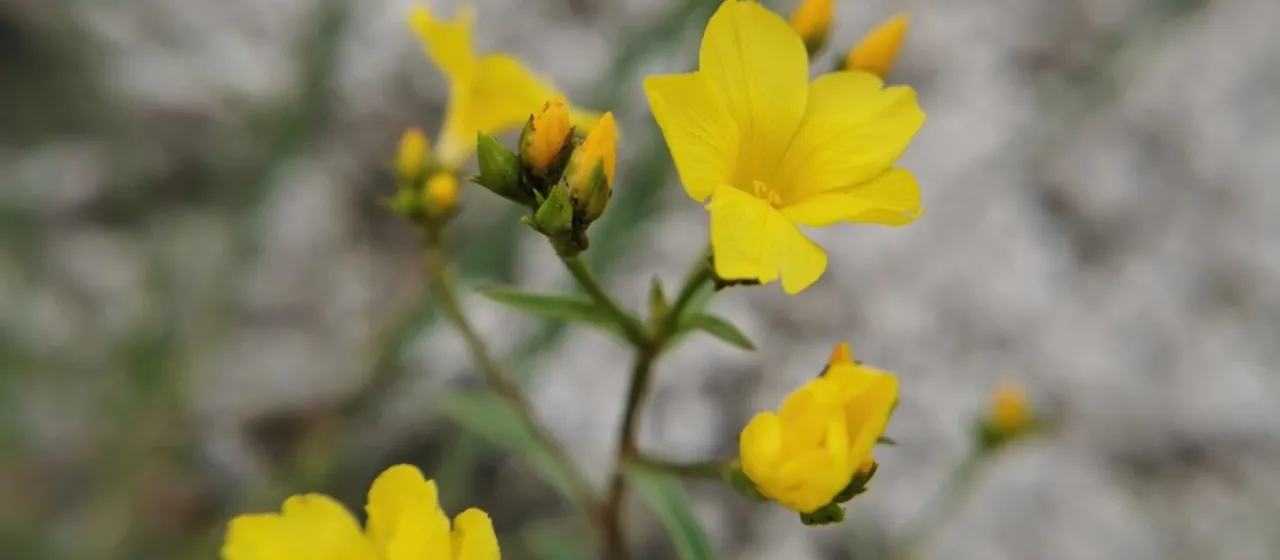
Botanically, Ukrainian flax is characterized by thin, wire-like stems and narrow, alternate leaves that help minimize evapotranspiration. The flowers are typically yellow, which distinguishes it from many blue-flowered commercial flax varieties. Its deep taproot system is essential for survival in arid conditions, reaching deep into the soil to access moisture.
Climate and soil requirements are strictly tied to high solar radiation and excellent soil drainage. The crop cannot tolerate waterlogging, which often leads to root rot. Soils with a slightly alkaline pH are considered ideal. Agricultural techniques should prioritize low plant density to ensure each individual plant has sufficient access to light and soil nutrients.
Typical challenges in the management of this crop include:
- Susceptibility to fungal pathogens under high humidity conditions.
- Infestation by flax beetles which can decimate seedling populations.
- Invasive weeds that compete for light in the early growth stages.