
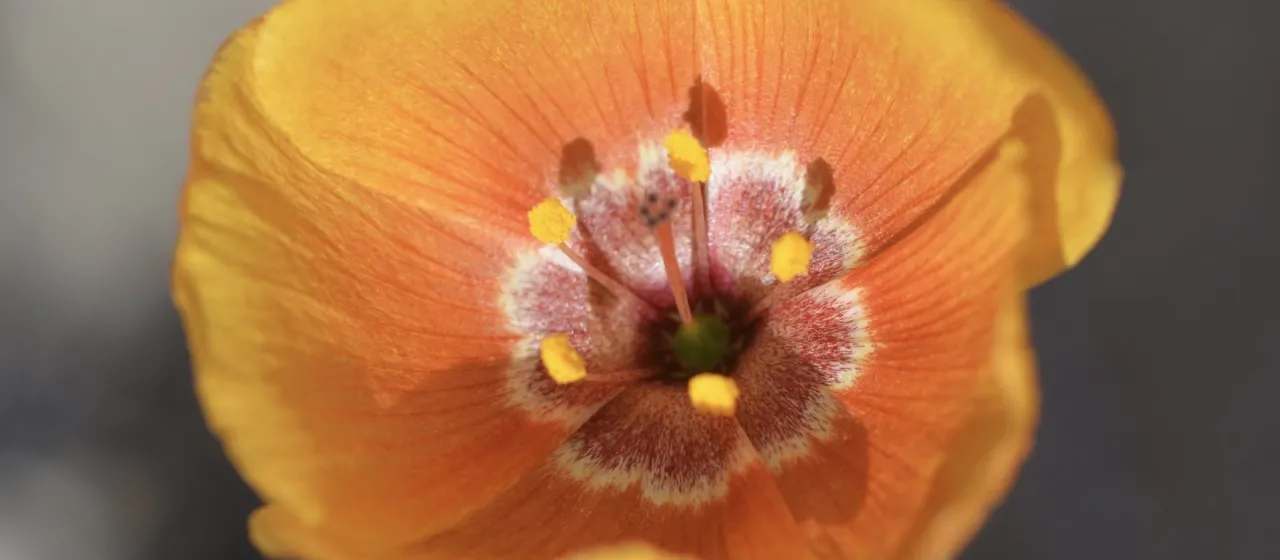
Description
Spring flax (Linum vernale) is a perennial herbaceous plant belonging to the Linaceae family. Distinct from the common fiber flax, this species is characterized by its specific adaptation to early spring growing conditions, allowing it to complete its reproductive cycle during the period of optimal soil moisture. It is a niche but scientifically significant agricultural crop.
The natural range of the species extends across steppe and forest-steppe ecosystems in Eurasia. It is well-adapted to open areas with high sunlight intensity. In agricultural contexts, its cultivation is often associated with land restoration projects, specialty oil production, or as a biodiversity-enhancing component in sustainable crop rotation systems.
Botanically, Linum vernale features a robust taproot system that supports early establishment in cold soils. The stems are typically erect and branched, usually attaining a height of 30 to 50 centimeters. The foliage consists of narrow, lanceolate leaves, and the flowers are notable for their distinct yellow pigment, serving as a key diagnostic feature separating it from blue-flowered flax varieties.
Agronomic requirements are centered on soil structure and temperature regulation. The crop prefers well-drained, fertile soils with a neutral pH. Sowing should occur as soon as the soil is workable. The plant exhibits significant cold tolerance, which is a major advantage for early spring planting schedules, although it remains sensitive to waterlogging, which can impede initial development.
Effective crop management requires constant monitoring of both biological and environmental stressors. Typical production challenges include:
- Flax flea beetles that can cause significant damage to young seedlings.
- Root rot pathogens that may emerge in poorly drained or overly saturated soils.
- Competition from aggressive weed species, necessitating early-season mechanical or chemical intervention.