
Description
Virginia flax (Linum virginianum) is a perennial herbaceous plant belonging to the Linaceae family. Unlike common industrial flax, this species is noted for its specific ecological niche and role in native plant communities, making it a subject of interest for conservationists and niche agricultural researchers.
The species is native to North America, naturally distributed across the eastern and central regions of the United States. It thrives in diverse environments, including woodland clearings, open rocky slopes, and moist meadows, displaying strong adaptation to temperate climate zones with fluctuating seasonal precipitation.
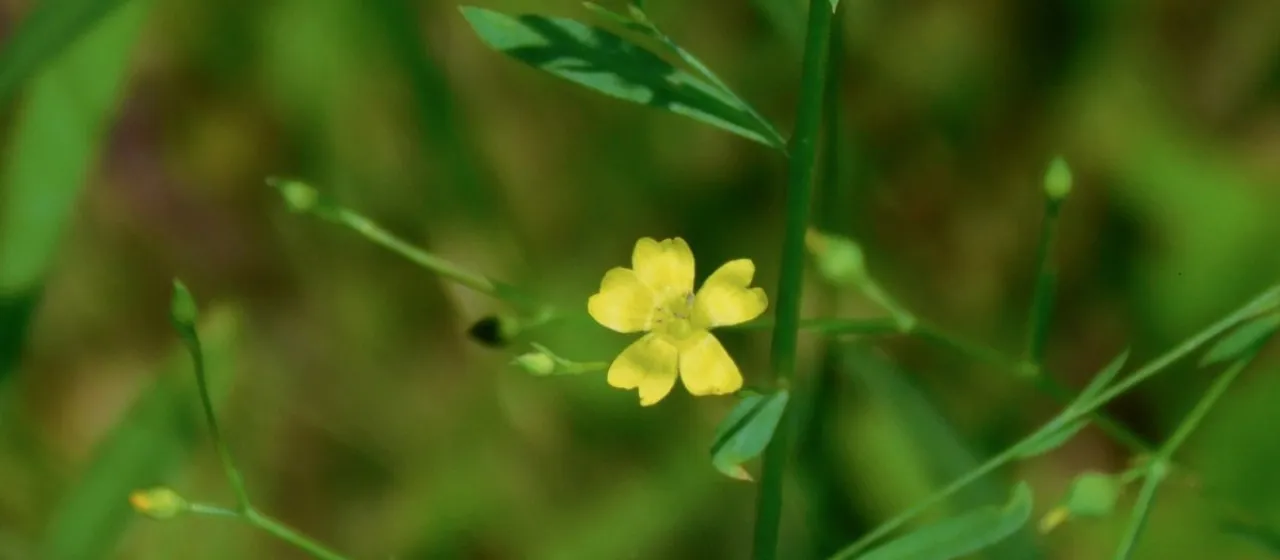
Botanically, it is characterized by its slender, erect stems that typically reach a height of 30 to 60 cm. The leaves are alternate and lanceolate. The flowers, which are small and yellow, appear in loose clusters, providing a distinct visual trait that differentiates it from other members of the genus Linum.
Regarding cultivation, Linum virginianum requires well-drained, fertile soil with a neutral to slightly acidic pH. The plant performs best in locations that provide partial shade to full sun, provided there is consistent soil moisture. It is generally intolerant of waterlogged soil conditions and prolonged extreme drought, which can hinder its growth cycles.
Its primary agricultural and economic utility lies in restoration ecology and ornamental plantings. While not a major commercial crop, it is susceptible to typical flax pests, such as the flax flea beetle, and various fungal pathogens. Integrated pest management, emphasizing proper soil management and crop rotation, is essential to mitigate these risks effectively.