
Description
Lippia filiformis is a perennial herbaceous plant belonging to the Verbenaceae family. It is widely recognized for its ability to create a dense, low-growing carpet, making it an excellent choice for landscape designers looking for a durable, low-maintenance alternative to traditional grass lawns.
The plant originates from the tropical and subtropical regions of South America. In its natural habitat, it thrives in moist, sunny areas where it spreads rapidly through creeping stems that root at the nodes. Due to its tropical origins, it performs best in regions with mild temperatures, though it shows significant adaptability to different environments.
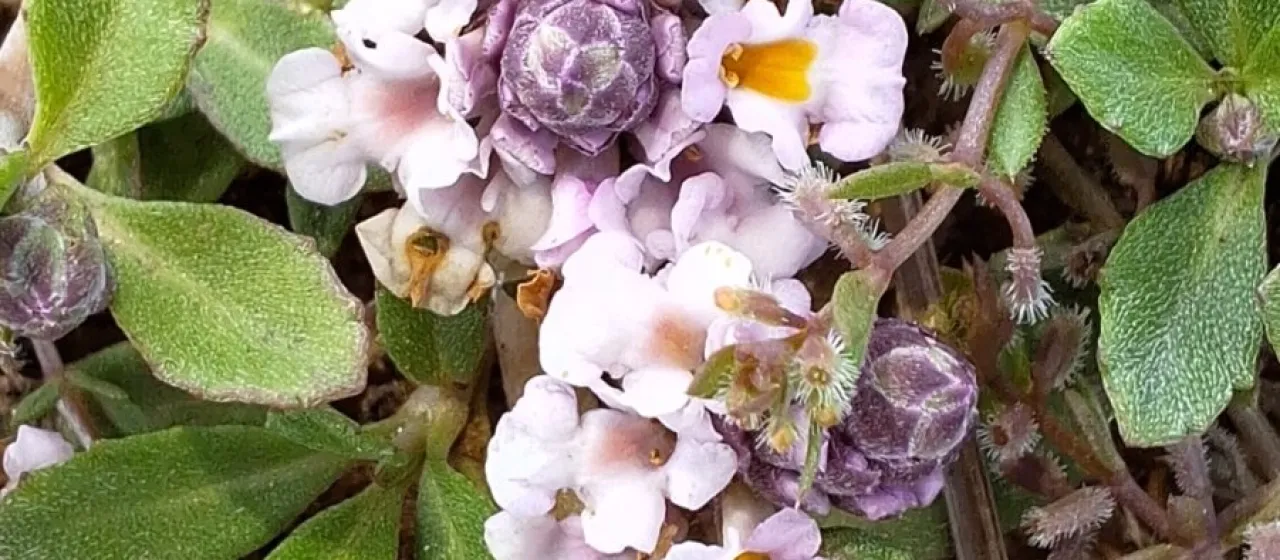
Botanically, Lippia filiformis features small, rounded or ovate leaves on slender stems that hug the ground. During its prolonged flowering season, the plant is covered with tiny inflorescences of white or pale pink flowers, creating a visually appealing and delicate floral mat that is both soft to the touch and highly decorative.
Successful cultivation requires well-drained, fertile soil with consistent moisture levels. Although it is relatively hardy, it does not tolerate waterlogging during the cooler months and thrives best in full sun to partial shade. The maintenance routine involves watering during dry spells and occasionally trimming the plant if it starts to encroach upon areas where it is not desired.
The primary use of Lippia filiformis is in landscape architecture for ground covering and erosion control. Its benefits include:
- Aggressive growth rate, which allows it to cover bare spots quickly.
- High resistance to moderate foot traffic.
- Attractive aesthetic quality during the flowering period.
- Low vertical growth, reducing the need for frequent mowing.
When it comes to pests and diseases, the plant is generally resistant, though it may be susceptible to powdery mildew if grown in conditions with poor air circulation or excessive soil moisture. Pests such as aphids or spider mites can occasionally be an issue during prolonged heat waves. Maintaining good drainage and ensuring proper airflow are key to preventing these problems.