
Description
Mexican oregano (Lippia graveolens) is a perennial shrub belonging to the Verbenaceae family. Unlike the common oregano from the mint family, this species is native to arid regions of Mexico and the Southwestern United States. It is widely recognized for its intense, pungent, and slightly citrusy aroma, making it a staple spice in traditional Latin American cuisine.
The natural habitat of the plant includes scrublands and tropical deciduous forests, where it thrives under high temperatures and ample sunlight. Its geographic range covers parts of Texas, New Mexico, and extends deep into Mexico. As an agricultural crop, it is cultivated in regions with warm climates, as it lacks cold hardiness and struggles to survive in regions with frequent frost.
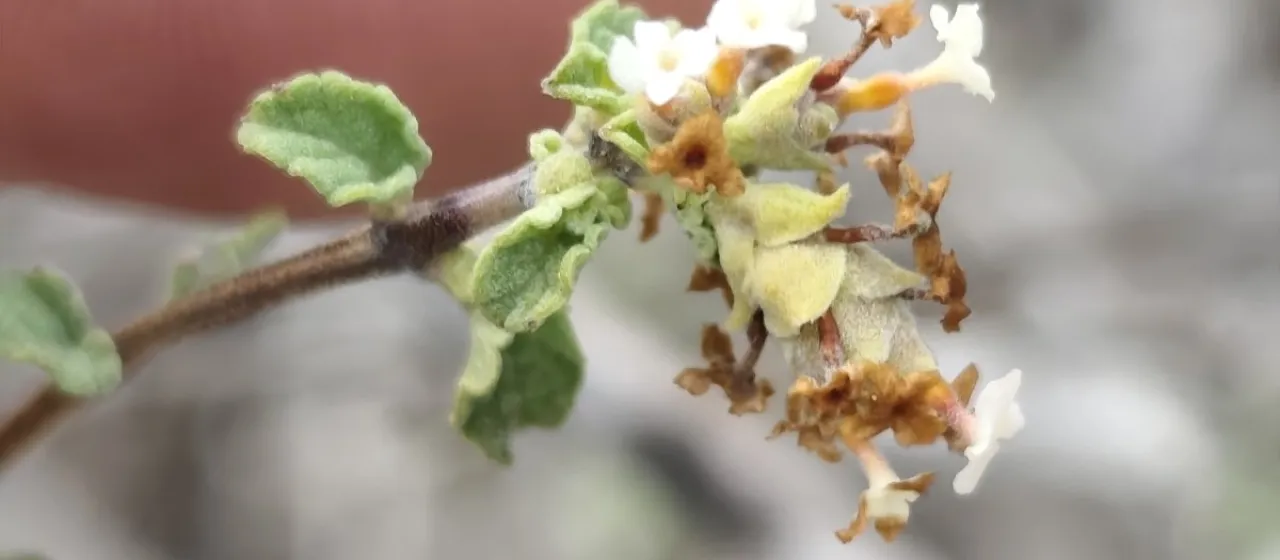
Botanically, the plant features ovate, pubescent leaves that are densely covered with oil glands. These glands are responsible for the production of essential oils, including carvacrol and thymol. The plant produces clusters of small white or yellow flowers throughout the growing season. Its growth habit is woody at the base, requiring periodic pruning to maintain structural integrity and leaf production.
Cultivation requirements involve well-draining, slightly alkaline to neutral soil. The plant is drought-tolerant, but optimal yield is achieved with consistent, light irrigation during the vegetative stage. It performs best in full sun and requires minimal fertilization, as excessive nitrogen can decrease the concentration of essential oils in the leaves. Propagation is typically performed via stem cuttings to ensure genetic consistency.
The хозяйственное use of Lippia graveolens includes both culinary seasoning and pharmaceutical applications. Its dried leaves are used as a preservative and flavor enhancer in soups, stews, and salsas. Medicinally, it is utilized for its antimicrobial and antioxidant properties. Common pests include aphids or spider mites, which can be managed with organic deterrents, while fungal issues related to overwatering are mitigated by proper spacing and drainage management.