
Description
Lippia javanica is a perennial woody shrub belonging to the Verbenaceae family. It is widely recognized for its strongly aromatic, lemon-scented leaves, which are used both for their therapeutic properties and as a natural fragrance. The plant can grow up to two meters in height, developing a dense canopy that makes it a significant source of biomass in its natural habitat.
Originating from Southern and Eastern Africa, the plant is naturally adapted to diverse landscapes ranging from open grasslands to woodland thickets. Its ability to survive in varied environmental conditions has made it a valuable crop in regions where other aromatic plants might struggle. The plant is drought-tolerant, reflecting its evolutionary adaptation to the African climate.
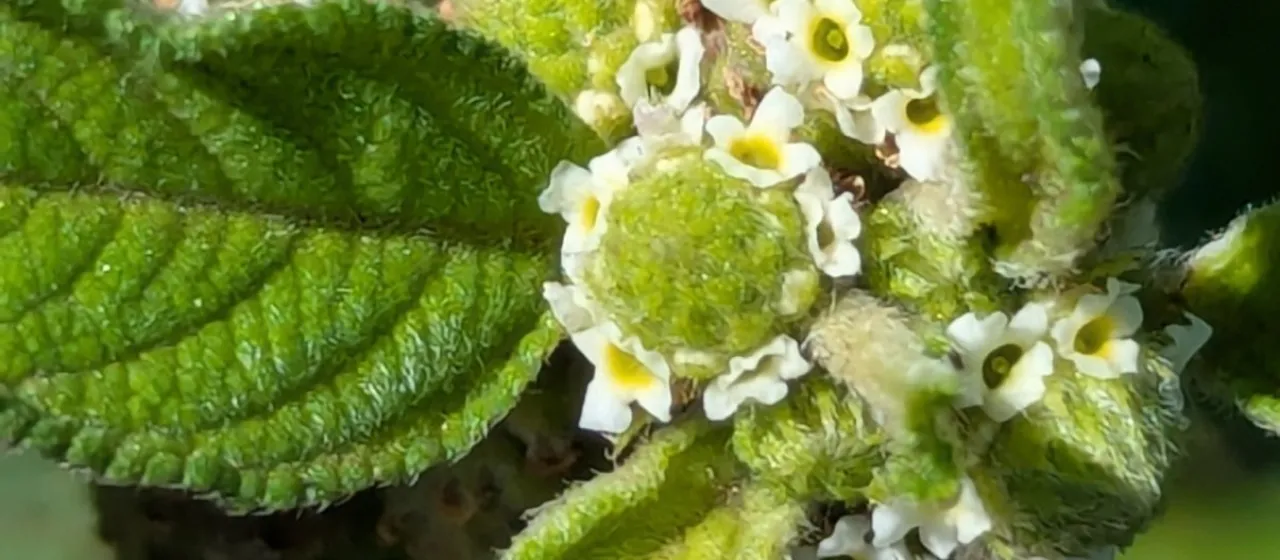
Botanically, Lippia javanica is characterized by its opposite, slightly wrinkled leaves with serrated margins and small, creamy-white flower heads. The foliage contains high levels of essential oils, including p-cymene and myrcene, which give the plant its characteristic scent. It thrives in full sunlight, which is crucial for the development of its secondary metabolites and overall vigor.
From an agronomic perspective, the crop requires well-draining soils with a neutral pH to prevent root rot. It is relatively low-maintenance, though regular pruning is essential to promote bushy growth and facilitate easier harvesting of leaves. Irrigation should be managed carefully, providing just enough water to keep the soil moist but not waterlogged during the peak growing season.
The industrial and domestic applications of Lippia javanica are diverse:
- Production of essential oils for perfumes and cosmetics.
- Use in traditional herbal medicine for treating colds and fever.
- Employment as a natural insect repellent in farming communities.
- Use as a culinary herb to provide a unique citrus flavor.
The plant is generally robust, but it can be susceptible to powdery mildew in high-humidity areas with poor air circulation. Common pests include aphids and mites, which can be managed through natural predators or organic horticultural oils. Maintaining proper spacing between rows is the best preventative strategy against disease outbreaks in commercial plantations.