
Description
Lippia nodiflora, often referred to as matchweed or fogfruit, is a perennial herbaceous plant belonging to the Verbenaceae family. In agronomy and professional landscaping, it is highly regarded as a robust groundcover species capable of forming dense, weed-suppressing mats that withstand foot traffic and harsh environmental conditions.
The plant is native to tropical and subtropical regions across the Americas, Africa, and Asia. Its evolutionary history in riparian zones, wetlands, and sandy coastal areas has equipped it with a remarkable tolerance for various soil types, ranging from nutrient-poor sandy soils to saline and waterlogged substrates.
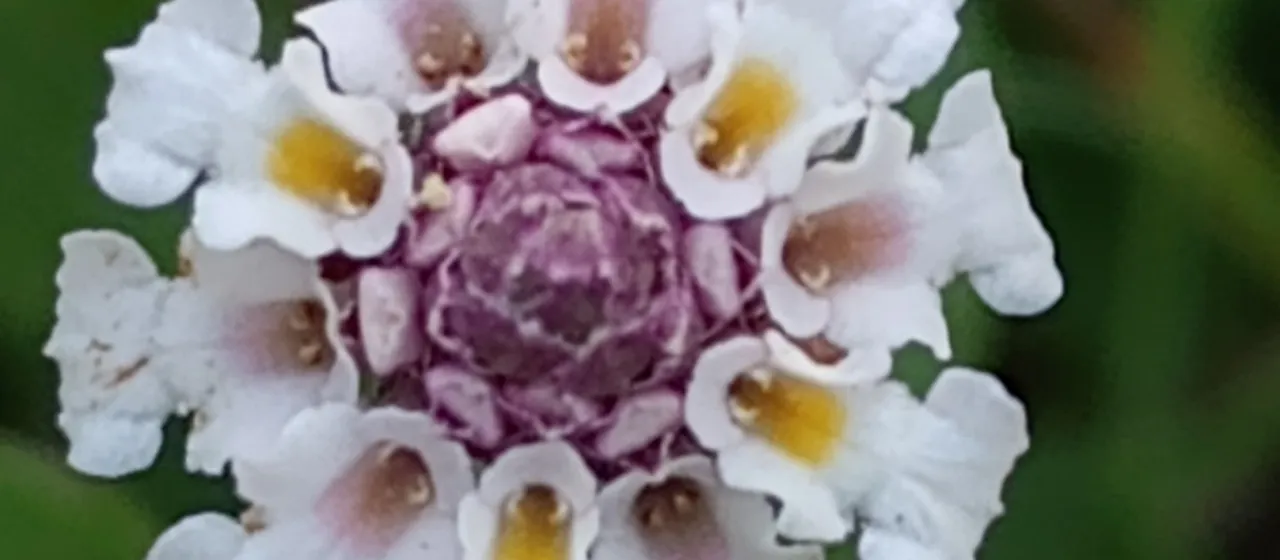
Botanically, it is characterized by trailing, prostrate stems that root at the nodes, allowing the plant to spread rapidly. The leaves are spatulate or obovate with serrated edges. The inflorescences are small, dense, cone-shaped spikes featuring white to purple flowers. This continuous flowering habit makes it a valuable resource for beneficial insects and pollinators in agricultural ecosystems.
The cultivation of Lippia nodiflora requires full sun exposure for optimal growth and density. While the plant is drought-tolerant once established, supplemental irrigation is beneficial during the initial planting phase. Its agrotechnology is notably low-input, as it requires minimal fertilization and occasional mowing only if a strictly low-profile groundcover is desired. It is particularly effective in soil remediation due to its dense root system.
Major agricultural uses include soil stabilization for slopes, erosion control on embankments, and as a low-maintenance lawn alternative. It is also utilized in integrated pest management strategies due to its ability to support predatory insects. Disease-wise, it remains relatively resistant, though excessive moisture may lead to fungal issues if drainage is inadequate, and pests like aphids may appear under severe heat stress.