
Description
Lippia reptans is a perennial herbaceous plant belonging to the Verbenaceae family. In agricultural and horticultural contexts, it is widely recognized as a robust groundcover species capable of forming a dense, carpet-like mat through its rapid vegetative propagation and ability to root at the nodes of its trailing stems.
Originating from the tropical and subtropical regions of the Americas, this species is naturally adapted to moist meadows, riverbanks, and open areas with high solar exposure. Its natural distribution demonstrates a significant ecological plasticity, allowing it to thrive in various managed landscapes where high temperatures and sufficient humidity are present.
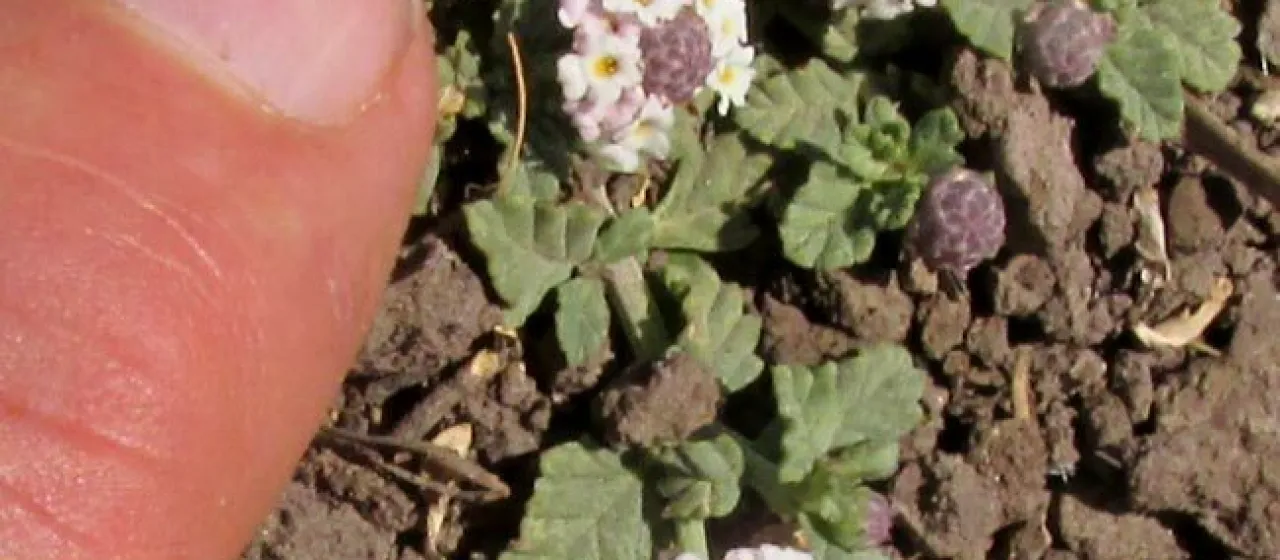
Botanically, the plant is characterized by its low-growing, creeping habit and opposite leaves. It produces small, cluster-like inflorescences that can change appearance throughout the flowering stage. Its shallow but extensive root system allows it to stabilize soil surfaces and effectively outcompete many common weed species, making it an excellent choice for ground stabilization.
Successful cultivation of Lippia reptans requires well-draining, fertile soil and consistent moisture during the establishment phase. While the plant exhibits respectable drought tolerance once established, maintaining a lush appearance throughout the summer necessitates regular irrigation. Proper care involves occasional pruning to maintain density and early-season fertilization to encourage vigorous growth.
The main areas of хозяйственное (economic) and landscape application include:
- Creation of durable, low-maintenance lawn alternatives.
- Soil erosion control on gentle slopes.
- Enhancing biodiversity by providing nectar for pollinators.
- Use in sustainable landscaping and xeriscaping projects.
The species is generally resistant to major pests and diseases. However, in cases of severe drought stress, plants may become susceptible to aphids or spider mites. Overwatering and poor drainage are the primary risks, which can lead to root rot. Maintaining proper soil moisture and ensuring good air circulation are the best management practices for healthy growth.