
Description
Lippia turbinata, commonly known in its native regions as "pol-amarga," is a perennial shrub belonging to the Verbenaceae family. It is a significant aromatic and medicinal plant, widely recognized in South America for its therapeutic properties and chemical composition.
The plant originates from South America, with its primary distribution area spanning Argentina, Paraguay, and Bolivia. It thrives in open, sunny environments and is well-adapted to subtropical climates, often found in regions where the soil is well-drained and the exposure to light is consistent throughout the growing season.
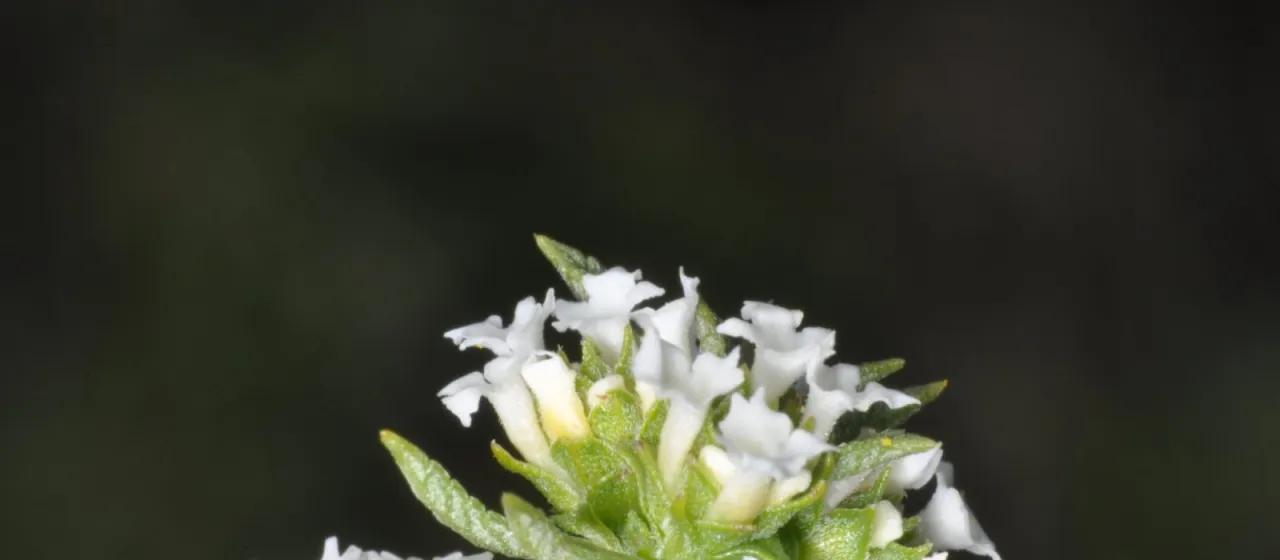
Botanically, Lippia turbinata is characterized by its woody base, opposite leaves with serrated margins, and distinct cone-shaped inflorescences. These small, dense floral heads are a key diagnostic feature of the species, distinguishing it from other members of the Lippia genus that may have different inflorescence structures.
In terms of agricultural requirements, this crop demands loamy or sandy soils that provide excellent drainage. It is relatively drought-tolerant once established but requires consistent moisture during the early vegetative stage. Weed management and proper spacing are critical to ensuring high-quality biomass production, as the plant can be sensitive to competition.
The primary economic use of this plant is in the pharmaceutical and flavoring industries. It is highly valued for its essential oils, which contain compounds with documented anti-inflammatory, digestive, and antiseptic effects. Beyond traditional medicine, it is increasingly being investigated for use in herbal infusions and as a source of natural preservatives.
- Requires full sun exposure for optimal essential oil content.
- Susceptible to root rot if grown in poorly drained heavy clay soils.
- Propagation is typically achieved through seeds or stem cuttings.
- Pest management should focus on aphids and leaf-eating insects.