
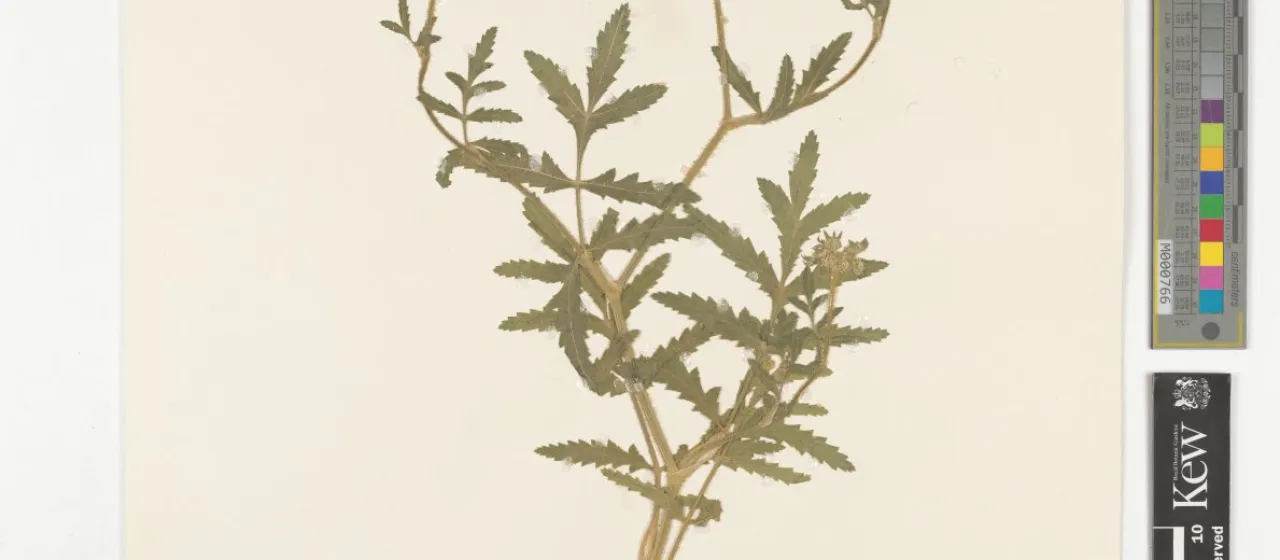
Description
Syrian Lisaea (lat. Lisaea syriaca) is an annual herbaceous plant belonging to the Apiaceae family. In the context of global agriculture, it is recognized primarily as a weed species occurring in cereal fields throughout the Mediterranean and Middle Eastern regions. Despite its status as a weed, the plant demonstrates remarkable survival strategies within the specific ecological niches it occupies.
The native range of this species is centered in the Near East, including countries such as Syria, Turkey, and Iraq. It thrives in arid and semi-arid environments, favoring open, disturbed areas such as arable lands, fallow fields, and roadsides. Its natural distribution is largely governed by its ability to tolerate extreme heat and water scarcity, making it a persistent presence in drought-prone agricultural landscapes.
From a botanical standpoint, the Syrian Lisaea is characterized by a slender stem and finely divided, pinnate leaves typical of the Apiaceae family. Its small, inconspicuous flowers are organized into compound umbels. The fruit is a prickly schizocarp, which serves as a highly effective dispersal mechanism, allowing seeds to adhere to passing organisms or machinery, ensuring the plant's colonization of new territories.
Regarding its agricultural profile, the species prefers well-drained, often calcareous or stony soils. It exhibits a high competitive capacity for soil nutrients and moisture in environments where crops are already struggling due to limited water availability. Its presence in fields can lead to significant yield losses in wheat and barley crops if not effectively managed during the early stages of plant development.
Management practices for controlling Syrian Lisaea focus on interrupting its life cycle and preventing seed set. To effectively manage this weed, agronomists typically employ several strategies:
- Mechanical cultivation to uproot seedlings before they establish.
- Chemical control using selective herbicides in cereal crops.
- Maintaining robust crop rotations to prevent the buildup of the seed bank.
- Ensuring high-quality seed cleaning to prevent the introduction of weeds into clean fields.