
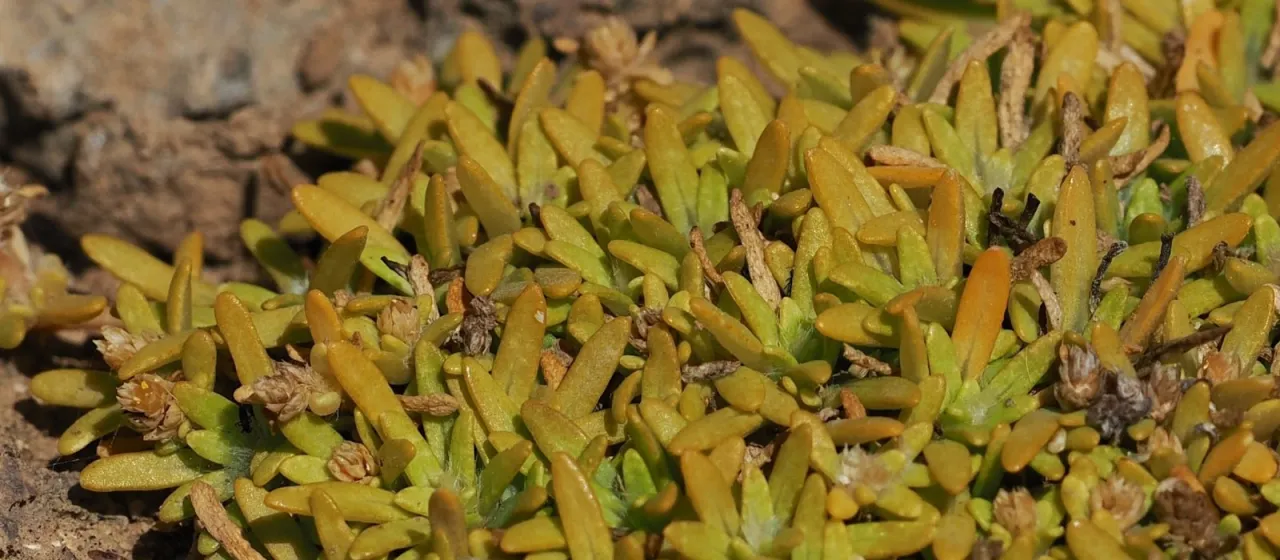
Description
Lithophila muscoides is a distinct plant species belonging to the Amaranthaceae family. While not a conventional agricultural crop for food production, it is highly regarded in specialized botanical circles and horticultural applications due to its unique growth habit and ability to thrive in challenging, nutrient-poor environments.
The plant is native to the Caribbean region, where it naturally occurs on rocky outcrops and coastal dunes. This evolutionary history has equipped the species with robust physiological mechanisms to tolerate harsh sunlight, high temperatures, and salt-laden winds, making it an excellent candidate for specific ecological restoration projects.
Botanically, Lithophila muscoides is classified as a succulent-like herb. It features small, fleshy leaves that are closely arranged, providing it with a moss-like appearance. Its root system is specialized for anchoring in crevices and shallow substrates, allowing it to compete effectively in areas where soil depth is minimal or non-existent.
Agricultural and horticultural management requires strict adherence to xerophytic protocols. The substrate must be highly permeable, utilizing a mix of grit, sand, and minimal organic matter. Overwatering is the primary threat to this species, as it often leads to root and crown rot, which are the most common pathological issues affecting these plants under cultivation.
- Thrives in full sun exposure.
- Requires well-drained, porous soil.
- High tolerance for saline soil conditions.
- Susceptible to fungal pathogens in high humidity.
In terms of хозяйственное usage, Lithophila muscoides is primarily valued for its role in rock gardens, xeriscaping, and as a ground cover for stabilizing sandy, exposed soils. It serves as an excellent biological tool for preventing erosion in coastal regions where its structural properties assist in maintaining soil integrity despite environmental stresses.