
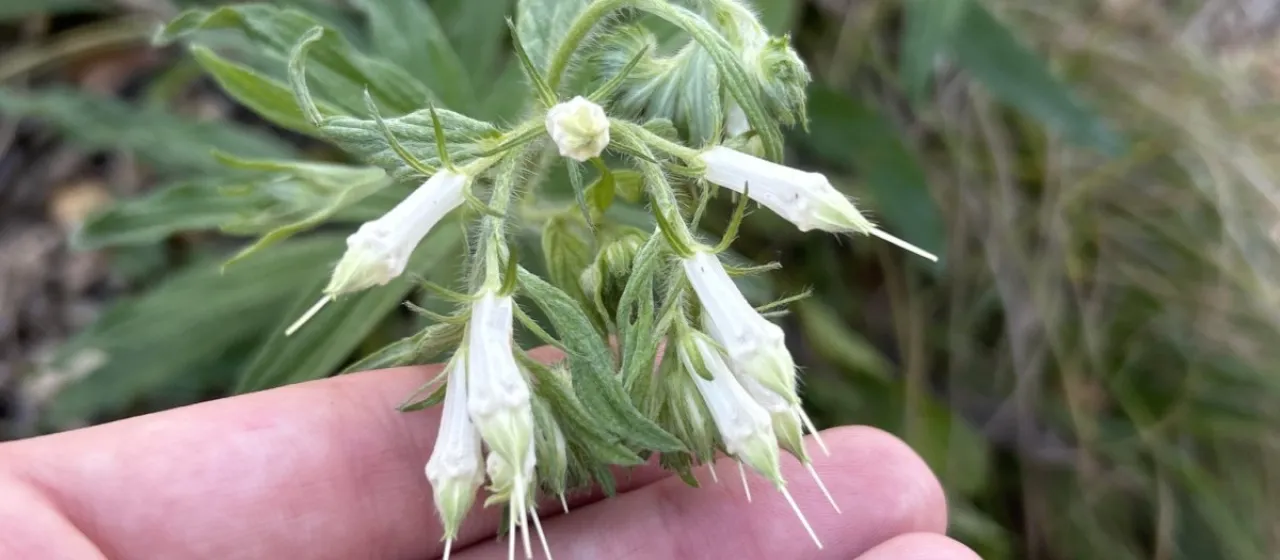
Description
Carolina puccoon (Lithospermum caroliniense) is a herbaceous perennial plant belonging to the Boraginaceae family. Recognized for its deep taproot and resilient nature, this species is increasingly studied for its agricultural potential in sandy, low-nutrient soils where traditional crops often fail to thrive.
The native range of this plant extends throughout the central and eastern parts of North America. It is typically found in prairies, open woodlands, and sandy dunes. Its evolutionary history in these habitats has made it exceptionally well-adapted to high sunlight exposure and periodic water scarcity, marking it as a candidate for sustainable agriculture in arid climates.
Botanical features include stiff, hairy foliage and vibrant orange-yellow flowers arranged in terminal cymes. The species is characterized by its significant drought tolerance, achieved through a deep root system that anchors the plant and accesses sub-surface moisture. The seeds are enclosed in nutlets, which provide a reproductive advantage in dry ecosystems.
Agrotechnical requirements focus on soil texture and light availability. The ideal soil is sandy or gravelly with excellent drainage; heavy, compacted soils must be amended to prevent root rot. Nitrogen requirements are low, as the plant is adapted to nutrient-poor environments, making it an excellent choice for low-input cultivation schemes.
Management practices and key considerations for cultivation include:
- Ensuring maximum solar exposure during the active growing season.
- Maintaining soil pH levels within the neutral to slightly acidic range.
- Managing moisture levels to strictly prevent waterlogging, especially in winter.
- Monitoring for typical pests like aphids or spider mites in dry, stressful periods.