
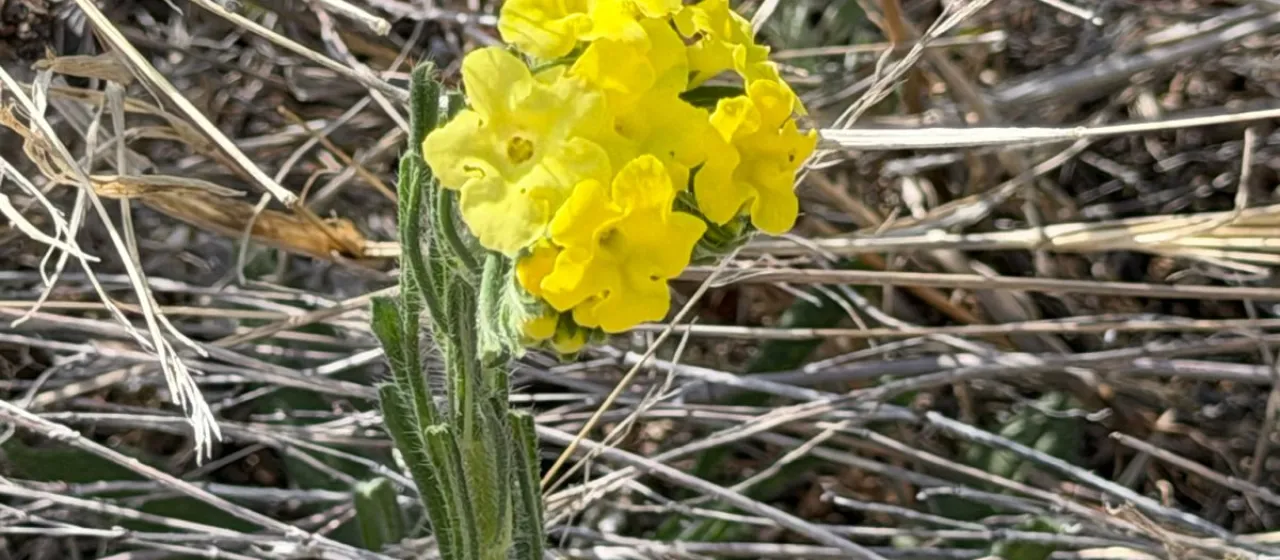
Description
Cobre bugseed (Lithospermum cobrense) is a perennial herbaceous plant classified within the Boraginaceae family. While not a conventional commercial crop, this species is highly regarded in botanical research and ecological restoration projects for its unique adaptations to specialized environmental niches.
The plant originates from the arid regions of North America, specifically within high-altitude desert ecosystems of New Mexico and Arizona. It has evolved to thrive in gravelly and rocky soils where extreme temperature fluctuations and seasonal droughts are typical. These origins define its status as a drought-tolerant species suitable for xeric gardening and specific experimental agricultural zones.
From a botanical standpoint, the plant is characterized by a robust taproot system that facilitates survival in nutrient-poor substrates. The foliage is typically covered in rough, stiff hairs, providing structural integrity and water retention. The flowers exhibit a tubular shape, which is a hallmark of the Lithospermum genus, often attracting specialized pollinators in their native habitat.
Cultivation requirements demand strict adherence to soil drainage properties. The plant does not tolerate waterlogging, which often leads to root decay. It performs best in well-drained, porous soils that mimic its natural rocky environment. Fertilization should be kept at a minimum, as the plant is adapted to thrive in soils with low nitrogen levels; over-fertilization can weaken its natural hardiness.
Regarding pest management and pathology, the primary concerns include root rot pathogens encouraged by poor drainage and aphid infestations during the growing season. Maintaining proper airflow and sunlight exposure is the most effective cultural practice to prevent common fungal issues. The potential of this plant in pharmaceutical and industrial applications remains a subject of ongoing studies.