
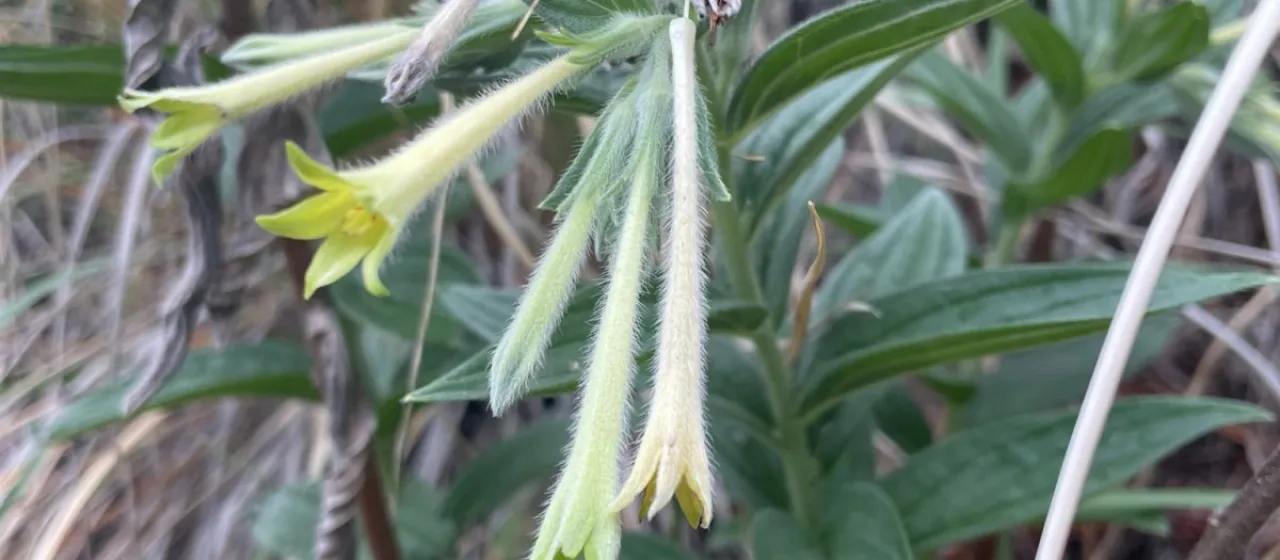
Description
Lithospermum macromeria is a perennial herbaceous plant belonging to the Boraginaceae family. It is a distinct species recognized for its specialized morphological adaptations that allow it to thrive in challenging environments, making it a subject of interest for both botanical research and niche agricultural production.
The native range of this species is primarily located in the southwestern United States and Northern Mexico. It is typically found in arid and semi-arid environments. In cultivation, it is often treated as a specialty crop, maintained in research gardens or botanical collections due to its unique chemical profile and adaptation to water-scarce regions.
Botanically, the plant is characterized by a sturdy, upright stem covered in coarse trichomes (hairs), which act as a shield against intense sunlight and dehydration. Its most striking feature is the size of its flowers, which possess prominent stamens, a distinguishing trait that separates it from many other closely related species within the Lithospermum genus.
The cultural requirements for this species are specific: it demands well-draining, gritty, or sandy soil with low nutrient levels. High light intensity is essential for vigorous growth. Irrigation must be strictly controlled, as the plant is highly susceptible to root decay if subjected to prolonged moisture, reflecting its adaptation to dry prairie climates.
Primary хозяйственное uses for this crop include:
- Research into naphthoquinones and other bioactive compounds.
- Integration into xeriscape and sustainable drought-tolerant landscaping.
- Genetic preservation of arid-land flora.
Typical pests affecting this species include aphids and mites, which are prone to colonize the foliage during hot, dry periods. Diseases are almost exclusively fungal in origin, stemming from high humidity or poor soil drainage. Maintaining airflow around the plants and ensuring the substrate dries out between watering intervals is the most effective management strategy.