
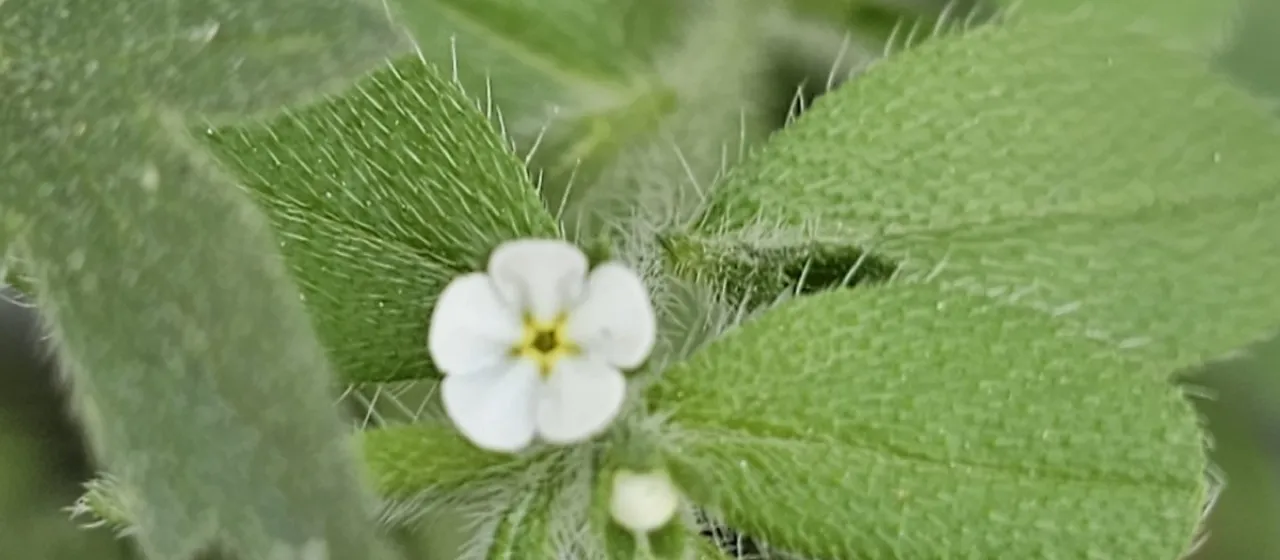
Description
Lithospermum matamorense, commonly referred to as Matamoros gromwell, belongs to the Boraginaceae family. This species is a herbaceous plant native to North American regions, primarily localized in parts of Mexico. While not a conventional staple crop, it remains a subject of botanical interest due to its resilience and unique physiological adaptations to arid environments.
The natural habitat of this species is characterized by high sun exposure and well-drained, often rocky or sandy soils. Agronomically, the plant is classified as drought-tolerant, capable of surviving long periods of low precipitation. In cultivation, it demands environments that mimic these natural conditions to ensure survival and consistent growth patterns.
Botanically, Lithospermum matamorense is defined by its hirsute, rough-textured foliage which serves as a protective mechanism against excessive transpiration. The plant produces small, funnel-shaped flowers arranged in characteristic inflorescences. Its taproot system is relatively deep, enabling the plant to access moisture in deeper soil horizons when surface moisture is depleted.
Successful cultivation requires specific soil management practices, focusing on excellent soil aeration and neutral to slightly alkaline pH levels. Growers should avoid heavy, water-retentive clay soils, as the species is highly susceptible to root rot if water stagnation occurs. Regular weeding during the early stages of development is crucial, as the plant exhibits slow initial growth rates.
In terms of agricultural and industrial applications, this species is investigated for the extraction of specific naphtoquinones used in natural dye and cosmetic production. Regarding plant health, the species is occasionally prone to powdery mildew under conditions of high humidity and poor airflow. In dry seasons, growers should monitor for common pests such as aphids and spider mites, which can damage the leaves.