
Description
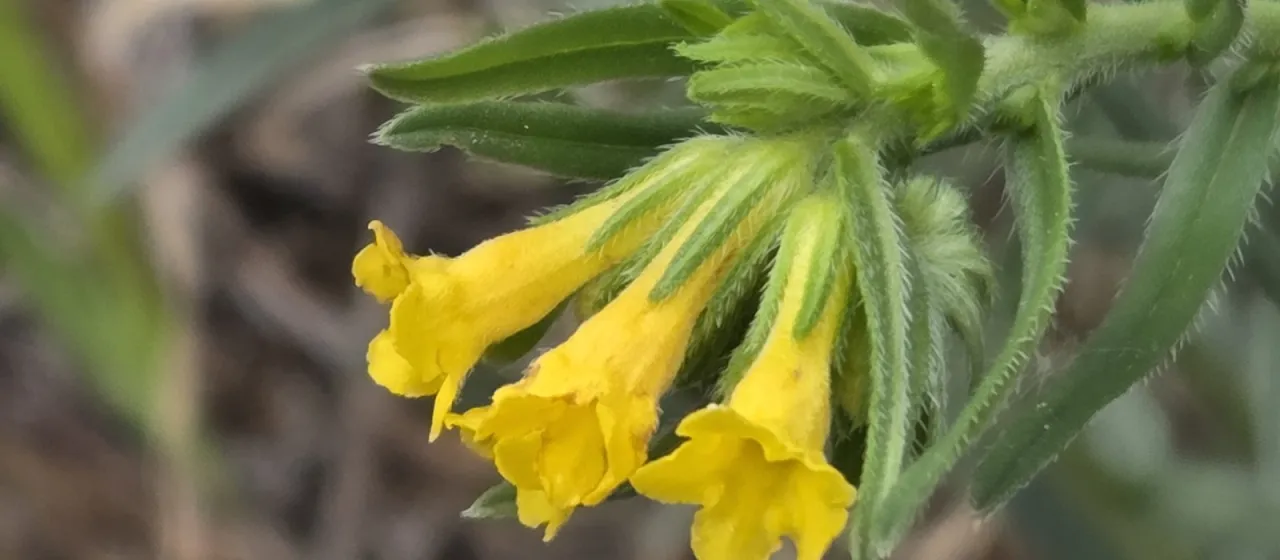
Many-flowered stoneseed (Lithospermum multiflorum) is a perennial herbaceous plant belonging to the Boraginaceae family. Recognized for its distinct morphology and ecological adaptability, this species serves as a specialized crop in decorative and ecological restoration projects.
The plant originates from the western regions of North America. Its natural habitat includes rocky slopes, foothill meadows, and semi-arid forest clearings. These geographic origins define its environmental preferences, specifically its high tolerance for well-drained, nutrient-poor substrates and fluctuating seasonal temperatures.
Botanically, Lithospermum multiflorum is characterized by erect stems densely covered in lanceolate leaves. It produces abundant clusters of tubular yellow flowers, which are highly attractive to local pollinators. Its root system is deeply penetrating, an evolutionary adaptation that allows the plant to thrive in regions with low annual rainfall.
Regarding cultivation requirements, the species demands porous, well-drained soils, preferably with a neutral to slightly alkaline pH. Waterlogging must be strictly avoided to prevent root diseases. In field settings, providing a consistent solar exposure is essential, as the plant is shade-intolerant and requires high intensity of light for optimal growth cycles.
- Solar exposure: Requires full sun to partial shade.
- Soil composition: Sandy, gravelly, well-aerated substrates.
- Watering: Sparse, strictly controlled to prevent root rot.
- Fertilization: Low requirements, mostly focused on native soil structure.
In terms of хозяйственное usage, the plant is primarily cultivated for xeric landscaping, wildflower gardens, and soil stabilization on slopes. Beyond its ornamental value, ongoing studies investigate its potential in ethnobotany and traditional plant-based pigment sources, though it is not widely used in intensive industrial agriculture.
Common health issues for this crop include root rot and damping-off, predominantly caused by excessive soil moisture or poor air circulation. Pests such as aphids and subterranean larvae can occasionally affect plant vigor. Integrated pest management, emphasizing cultural practices over chemical intervention, is the recommended strategy for maintaining healthy plant stands.