
Description
Lithospermum zollingeri is a perennial herbaceous plant belonging to the Boraginaceae family. Known for its distinct growth habit, this species is gaining attention in niche agricultural sectors for both its aesthetic value as a ground cover and its potential applications in herbal medicine and botanical research.
The plant originates from East Asia, specifically regions including Japan and Korea. It typically thrives in high-altitude environments, adapting to rocky soils and variable climates. Its natural resilience makes it a suitable candidate for cultivation in temperate zones, provided the specific soil and drainage requirements are met.
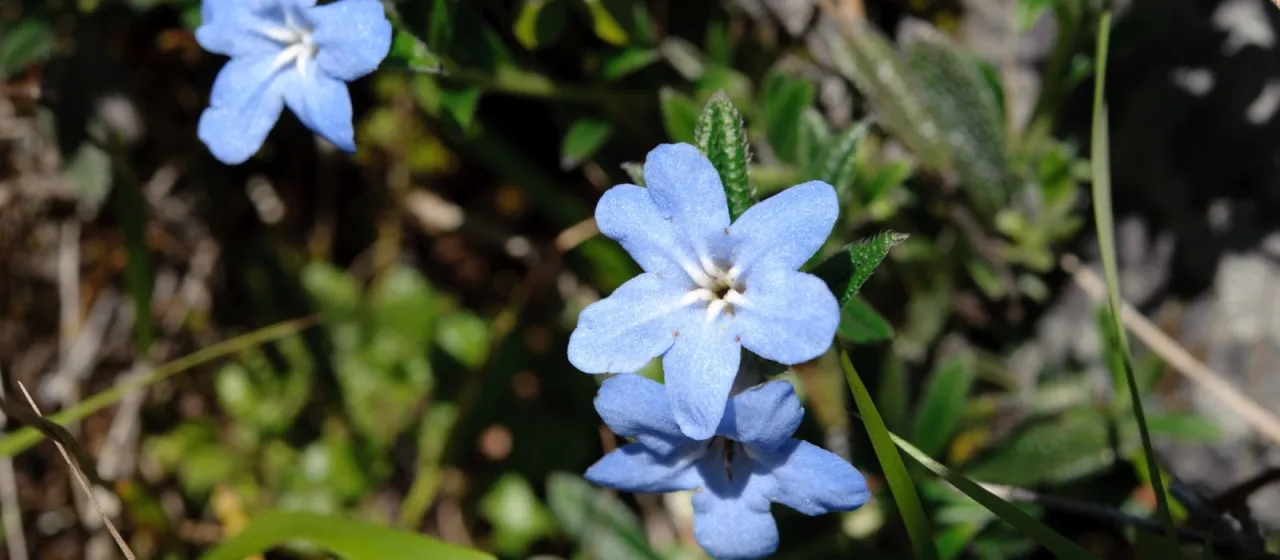
Botanically, Lithospermum zollingeri is characterized by its lanceolate leaves and striking blue-violet flowers. It features a robust root system that helps anchor the plant in loose substrates. The foliage is often pubescent, an evolutionary adaptation that helps the plant retain moisture during dry spells in its natural habitat.
Cultivation requires well-drained, slightly acidic to neutral soils. In agricultural settings, it is crucial to avoid waterlogged conditions, as the species is highly susceptible to root decay. While the plant prefers sunny spots, partial shade during the peak of summer is recommended to protect its delicate blooms and prevent premature senescence.
Regarding its utility, the plant serves as a valuable resource in ornamental landscaping and the pharmaceutical raw material sector. The bioactive compounds within the plant have been studied for their potential anti-inflammatory properties, making it a plant of interest for sustainable agricultural production of medicinal herbs.
- Ensure excellent soil drainage.
- Apply mulch to regulate soil temperature.
- Monitor for moisture stress during germination.
- Provide light fertilization during the spring growth flush.
Diseases such as powdery mildew and root rot are the most common challenges in a crop setting. Managing humidity and ensuring adequate air circulation around the plants can significantly reduce the risk of outbreaks. If pests like slugs or aphids appear, integrated pest management strategies should be applied promptly to ensure high yield.