
Description
Lovage (Levisticum officinale) is a robust perennial herb belonging to the Apiaceae family. Often referred to as medicinal lovage, it is a hardy plant with a distinct aroma reminiscent of celery, highly valued for its intense flavor profile in cooking and its traditional applications in herbal medicine.
Originating from the mountainous regions of Southern Europe and Western Asia, lovage has successfully naturalized across various temperate climates globally. It is prized for its extreme winter hardiness and its ability to thrive in perennial herb gardens, returning year after year with increased vigor as the root system matures.
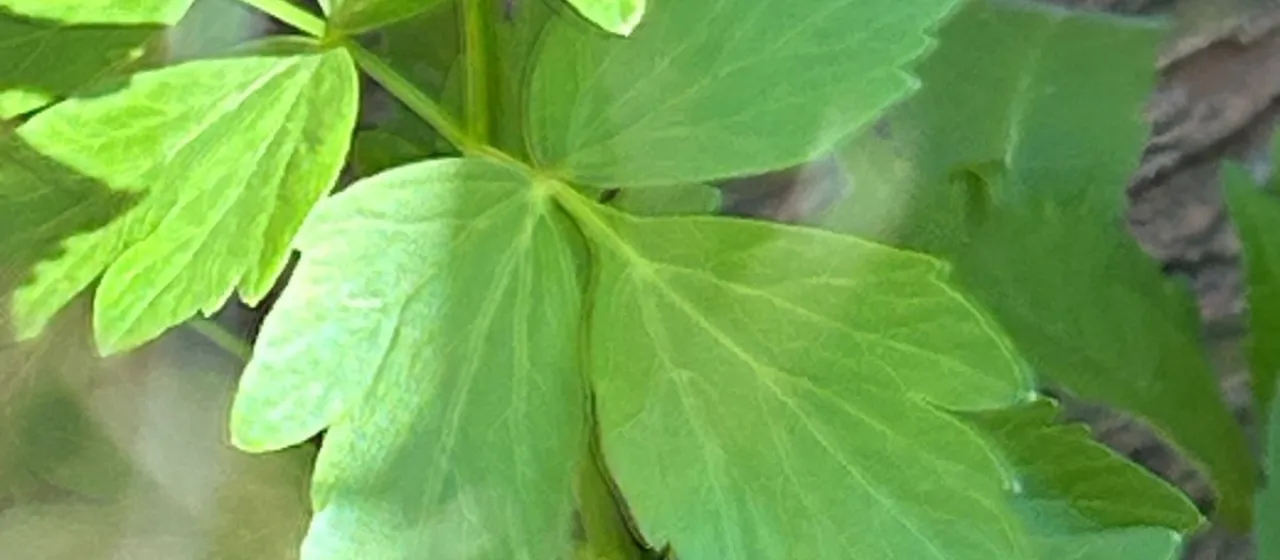
Botanically, lovage is a tall, hollow-stemmed plant that can reach heights of up to two meters. Its foliage consists of large, dark green, shiny, pinnate leaves. The plant produces small, yellow-green flowers in compound umbels during its second year, which are followed by small brown schizocarp fruits containing the seeds.
Successful cultivation requires deep, fertile, moisture-retentive, yet well-drained soil. It thrives in locations with partial to full sun exposure. Gardeners should ensure adequate spacing during planting to allow for its significant size. Regular maintenance, including the removal of dead stalks and periodic organic fertilization, is essential to sustain high yields of the aromatic leaves.
In terms of agricultural and domestic use, lovage is harvested for both its leaves and roots, which contain potent essential oils and phthalides. While generally robust, the crop requires monitoring for common issues:
- Leaf spot diseases, often caused by fungal pathogens.
- Powdery mildew under high humidity conditions.
- Aphids and occasionally carrot rust flies.