
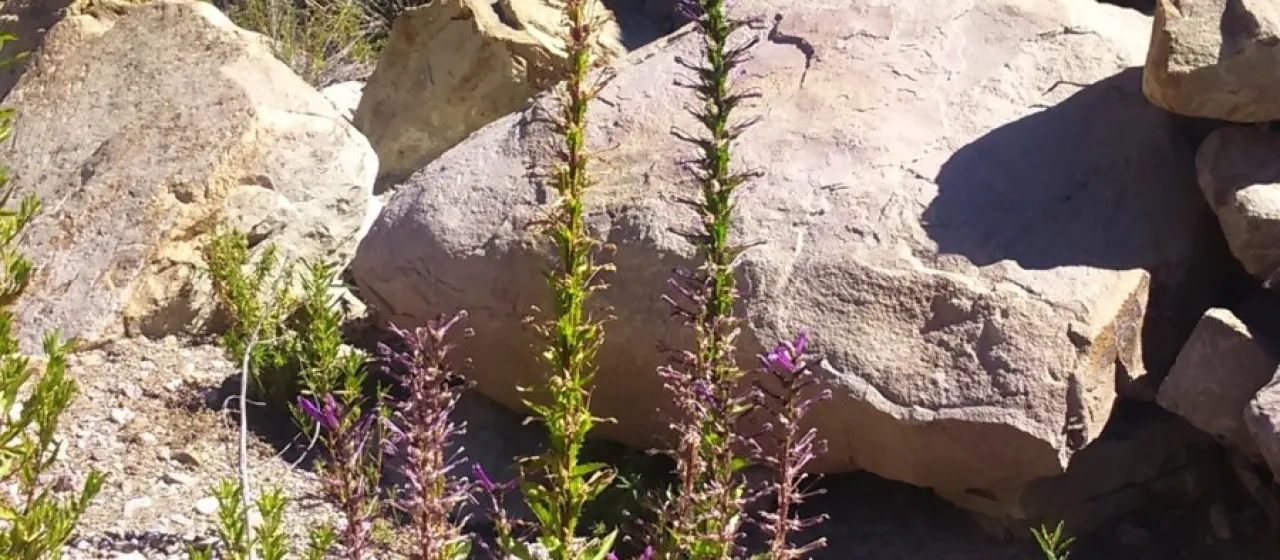
Description
Lobelia decurrens is a perennial herbaceous plant belonging to the Campanulaceae family. This species is recognized for its unique foliage and striking floral display, making it a valuable subject for both botanical study and specialized horticultural applications in suitable climatic zones.
The species originates from the mountainous regions of South America, primarily documented in areas of Chile and Peru. Its native habitat consists of moist environments, including stream banks and meadows where high humidity and moderate temperatures persist, allowing the plant to thrive throughout its active growing season.
Botanically, the plant is characterized by erect stems and leaves that exhibit a decurrent habit, meaning the leaf base extends down the stem. The flowers are tubular, typically appearing in shades of blue or violet, organized into terminal racemes. This structure allows for efficient pollination in its native environment.
Successful cultivation of Lobelia decurrens requires a deep understanding of its ecological needs. The soil must be consistently moist, rich in organic matter, and possess excellent drainage to prevent root rot. While it appreciates sunlight, it is sensitive to intense heat, necessitating placement in areas with afternoon shade in warmer regions.
The primary use of this culture is decorative, specifically in bog gardens, near water features, or as part of specialized perennial borders. Maintenance practices involve regular monitoring of soil moisture, seasonal fertilization to support flower production, and careful deadheading of spent blossoms to encourage a longer blooming cycle.
- Preference for consistently moist, well-drained soils
- Suitable for riparian and bog garden environments
- Sensitivity to extreme direct heat
- Requirement for balanced fertilization
Common pests include spider mites, which can thrive in low-humidity conditions, and aphids. Diseases are typically linked to environmental stress, particularly fungal infections arising from waterlogged soil. Maintaining proper air circulation and monitoring the irrigation schedule are the most effective strategies for keeping the plants healthy.