
Description
Indian tobacco (Lobelia inflata) is an annual herbaceous plant belonging to the Campanulaceae family. Historically utilized by Native Americans, it has gained recognition in modern pharmacology as a source of lobeline, an alkaloid used in therapeutic applications for respiratory issues and smoking cessation programs.
The species is native to eastern North America, where it thrives in varied habitats ranging from open fields to woodland borders. As an agricultural crop, its production is centered on standardizing the content of active chemical constituents, necessitating strict adherence to cultivation and harvesting protocols.
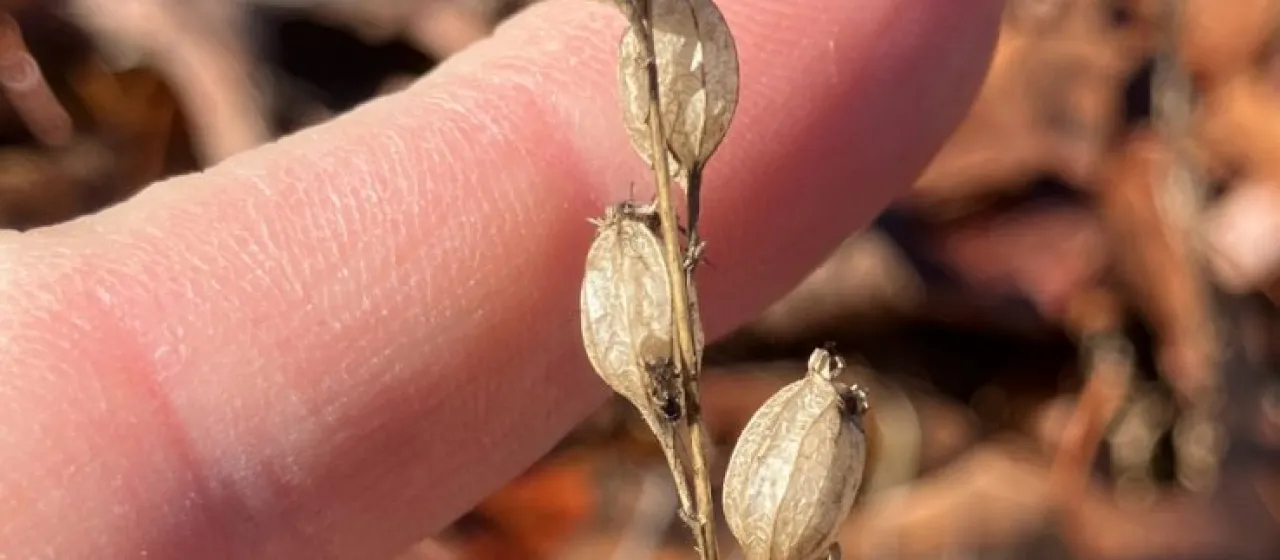
The plant features an erect, branched stem reaching up to 60 cm in height, with alternate leaves and small, pale blue to white flowers. The most distinguishing botanical feature is the inflated seed capsule, which swells significantly after flowering, providing the plant with its scientific species name inflata.
Regarding climate and soil, Lobelia inflata prefers a temperate climate with reliable rainfall and well-drained, fertile soil with a slightly acidic to neutral pH. It requires a long, frost-free growing season to reach maturity, which often necessitates starting seeds indoors in cooler regions.
Agronomic management focuses on weed suppression and consistent moisture, as the plant is sensitive to drought during the vegetative stage. Common threats include root pathogens like Pythium and pests such as aphids and spider mites. Harvesting is typically scheduled during the peak flowering period to ensure the highest yield of secondary metabolites.