
Description
Mexican bush lobelia (Lobelia laxiflora) is a perennial herbaceous plant belonging to the Campanulaceae family. It is recognized for its semi-shrub habit and unique tubular flowers, which are highly valued in horticultural practices for their vibrant coloration and cascading growth form.
The plant originates from the mountainous regions of Mexico and Central America. In its native habitat, it thrives in forest margins and open slopes. Globally, it is cultivated primarily as an ornamental plant, suitable for mild climates, and is often grown in containers or as an annual in regions where it cannot withstand winter frost.
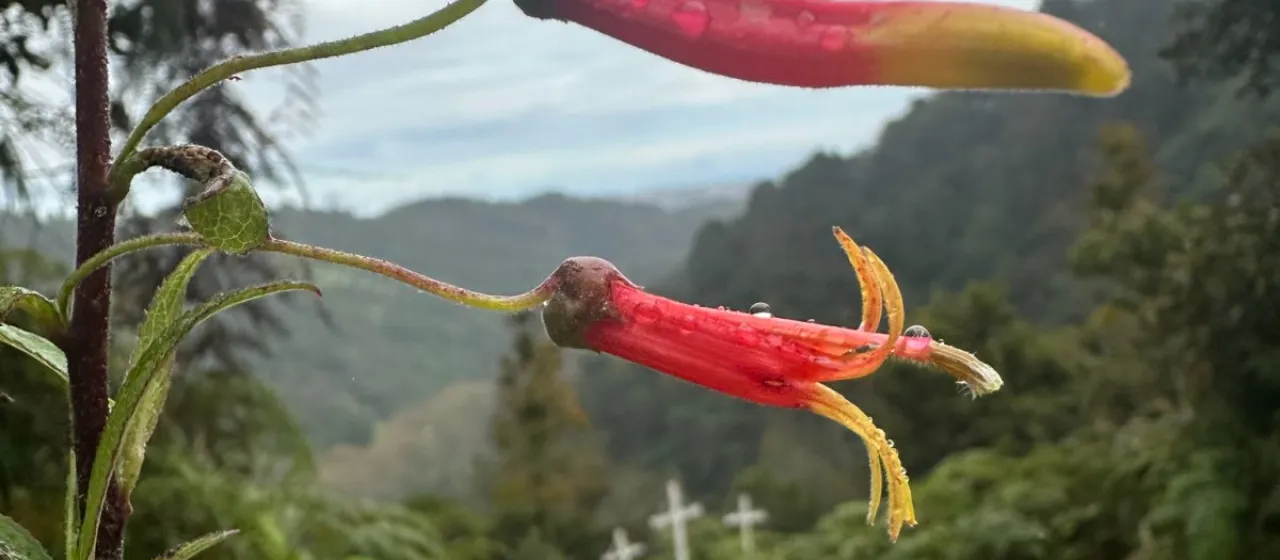
Botanically, this species is characterized by flexible, arching stems and lanceolate, serrated leaves. The flowers are distinct due to their elongated tubular shape, typically featuring shades of red and orange with yellow throats. The blooming period is extensive, making it a popular choice for aesthetic garden displays.
The cultural requirements for Lobelia laxiflora involve well-draining, nutrient-rich soil and a location that provides partial sun to full light. Consistent irrigation is essential for maintaining growth, yet farmers and gardeners must ensure the soil does not remain waterlogged to prevent root complications. Regular fertilization with balanced plant food supports vigorous flowering.
The primary use of this crop is in the ornamental horticulture sector, particularly for hanging baskets, container gardening, and perennial borders. Potential phytosanitary issues include infestations of aphids and spider mites, as well as fungal infections that may arise if the plants are kept in environments with poor air circulation or excessive soil moisture.