
Description
Naked lobelia (Lobelia nuda) is a perennial herbaceous plant classified within the Campanulaceae family. Unlike more common ornamental varieties of the genus, this species is noted for its specific physiological traits and environmental preferences, making it a distinctive choice for specialized horticultural projects.
Native to North America, this plant typically thrives in woodland habitats and wetlands. Its natural distribution range provides clear evidence of its requirements for moisture-retentive soils and high atmospheric humidity, which are critical for its survival and healthy development in an artificial cultivation setting.
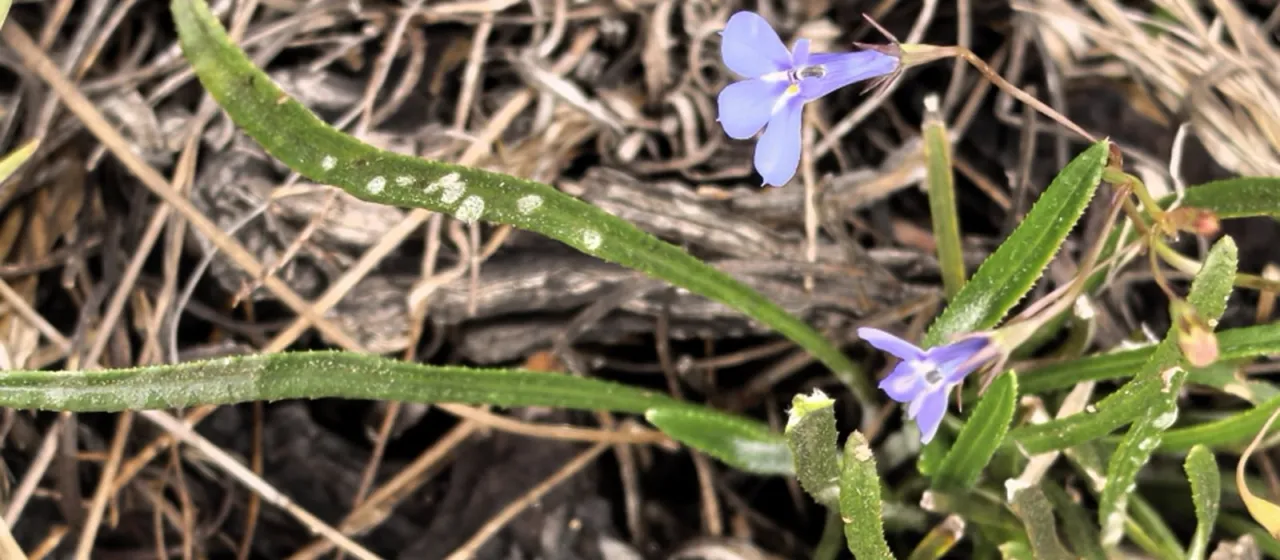
Botanically, the plant is characterized by smooth, relatively hairless stems and a basal rosette of leaves. The inflorescence consists of tubular flowers arranged in racemes, displaying the classic morphology of the Lobelia genus. The plant generally maintains a compact growth habit, making it suitable for lower-level garden displays.
Cultivation of this species demands meticulous attention to soil moisture and lighting conditions. It is best suited for sites with filtered light or partial shade, as exposure to intense, direct sunlight can lead to rapid wilting. The soil should be organic-rich and consistently moist to ensure the plant reaches its full potential throughout the growing season.
- Requires consistently moist, well-draining soil.
- Thrives in partial shade or filtered sunlight conditions.
- Propagated through seeds or careful division of rhizomes.
- Highly susceptible to fungal root issues if overwatered.
The primary horticultural application of Lobelia nuda is in ornamental gardening, particularly for creating moisture-loving borders and shade garden accents. Gardeners should monitor for common pests such as aphids and spider mites. Effective integrated pest management and proper site selection remain the pillars of successful cultivation for this unique species.