
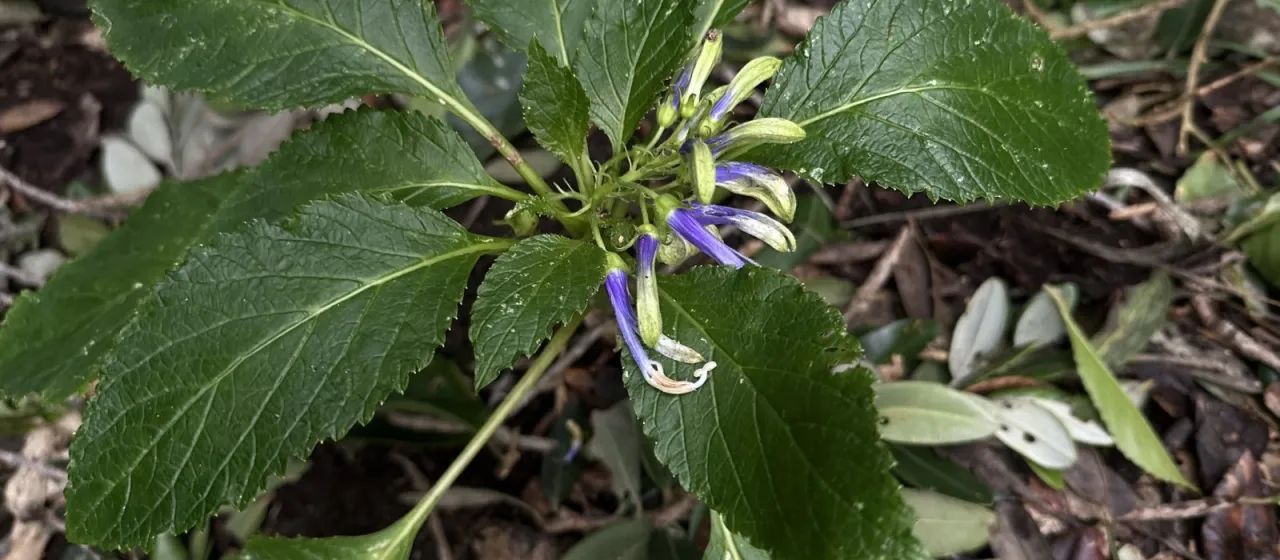
Description
Lobelia physaloides is a perennial herbaceous plant belonging to the family Campanulaceae. Unlike many common garden lobelias, this species possesses distinct morphological traits that make it a subject of interest for botanical collections and specialized nursery production due to its unique growth habit and flower structure.
The native distribution area of this species is primarily centered in New Zealand. Within its natural habitat, it thrives in moist, sheltered environments, typically found in forest margins or near water bodies. These ecological preferences define the fundamental requirements for its successful cultivation in both greenhouse and nursery settings.
Botanically, the plant is characterized by sturdy stems and broad foliage, designed to support rapid growth in high-humidity conditions. The flowers exhibit the typical tubular anatomy associated with the Campanulaceae family, often attracting specific pollinators. Its developmental cycle is highly responsive to ambient temperature and moisture levels.
Agronomic requirements emphasize the need for nutrient-rich, well-draining soil that maintains consistent moisture. Growers should aim to replicate a subtropical microclimate, ensuring that soil pH remains near neutral. Careful monitoring of irrigation is vital, as the plant is susceptible to both drought stress and waterlogging.
The primary horticultural application of Lobelia physaloides is in the development of ornamental garden collections. Disease management focuses on preventing common pathogens, such as fungal rots and mildew, which typically emerge under poor ventilation. Standard pest control protocols, including the monitoring for aphids and spider mites, ensure the longevity and health of the crop.