
Description
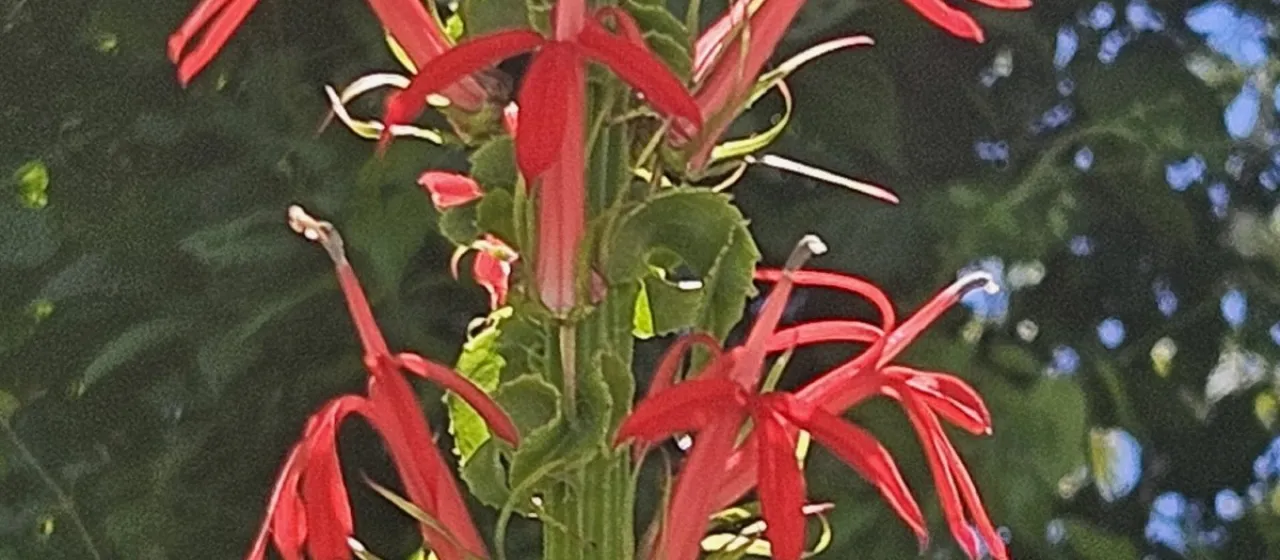
Lobelia splendens is a herbaceous perennial plant belonging to the family Campanulaceae. Widely recognized for its intense, vivid red flowers, this species is highly valued in horticulture for its ornamental appeal. It serves as a striking vertical element in garden designs, bringing vibrant color to landscapes throughout the summer months.
The plant originates from the regions of North and Central America, where it typically thrives in damp, humid habitats such as wetlands, stream banks, and marshes. Due to its natural adaptation to moist environments, Lobelia splendens requires specific care when cultivated in domestic gardens, often acting as a focal point in water-adjacent landscape features.
Botanically, the plant is characterized by erect stems that can reach heights of 80 to 120 centimeters. The leaves are typically lanceolate and may exhibit reddish undertones. The hallmark of the species is its terminal racemes of tubular, bright scarlet flowers, which bloom from mid-summer until the onset of autumn frosts.
From an agronomic perspective, successful cultivation of Lobelia splendens hinges on water management. The plant requires consistently moist, fertile soil rich in organic matter. While it prefers full sun to light shade, the primary requirement is the prevention of soil moisture depletion. Providing adequate irrigation is essential, especially during high-temperature periods to maintain optimal vegetative growth.
Regarding plant health, Lobelia splendens is susceptible to several environmental and biological stressors. Growers should monitor for common pests such as aphids and spider mites, which tend to proliferate in dry or stagnant air conditions. Furthermore, root health is paramount; ensuring proper soil drainage is crucial to prevent fungal infections and root rot, which are the most common causes of failure in this ornamental crop.