
Description
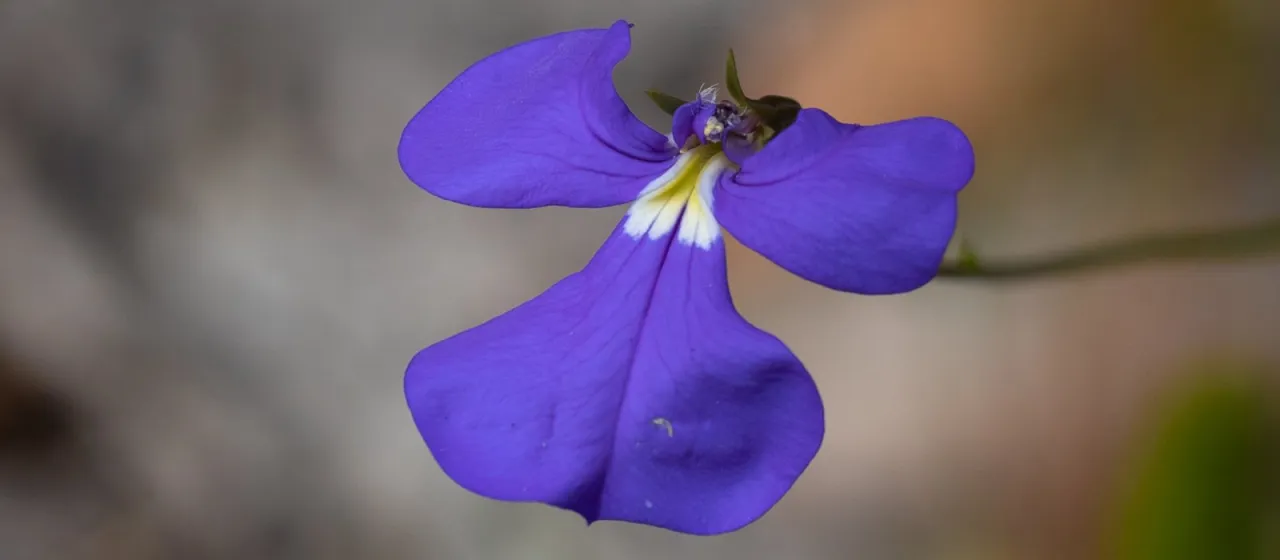
Lobelia tenuior is an attractive annual herbaceous plant belonging to the Campanulaceae family. It is particularly noted among gardeners for its larger-than-average, vibrant blue or violet flowers, which offer a unique aesthetic appeal compared to the more common trailing or dwarf lobelia varieties.
The species is native to Western Australia, where it thrives in specific regional conditions. It has been successfully introduced as an ornamental crop in various temperate regions worldwide, primarily used in container gardening, border plantings, and as a focal point in flower beds.
Botanically, the plant features erect, often branched stems that reach a height of approximately 20 to 40 centimeters. The leaves are typically lanceolate, and the flowers are structured in a way that highlights the intense color palette, making it a highly desirable species for specialized floriculture and professional landscaping.
Cultivation requirements focus heavily on soil quality and moisture management. Lobelia tenuior performs best in fertile, well-draining soils with a neutral pH. It requires plenty of sunlight to maintain its compact form and to stimulate abundant flower production, though it appreciates protection from harsh, drying winds.
The agronomic management involves starting seeds indoors in early spring to ensure a strong head start for the growing season. Once transplanted outdoors, the focus shifts to consistent watering—keeping the soil moist but never waterlogged—and applying balanced liquid fertilizers during the peak flowering stage.
- Ensuring proper soil drainage to prevent root rot.
- Maintaining consistent irrigation during hot weather.
- Deadheading spent blooms to encourage new growth.
- Monitoring for common garden pests like aphids.
In terms of plant health, the species is susceptible to powdery mildew and spider mites if air circulation is poor or if the plants are overly crowded. Providing adequate space and maintaining an appropriate irrigation schedule are the best practices for preventing these common issues and ensuring the longevity of the plant throughout the summer.