
Description
Acrid lobelia (Lobelia urens) is a perennial herbaceous plant belonging to the Campanulaceae family. It is distinct for its acrid-tasting milky sap, which is a defensive mechanism against herbivores and serves as a key identifier for this particular species within its genus.
Native to Western Europe, this plant is typically found in habitats such as heaths, damp meadows, and peatlands. Its distribution is closely tied to regions with Atlantic climate influences, favoring areas where atmospheric humidity remains relatively high throughout the growing season.
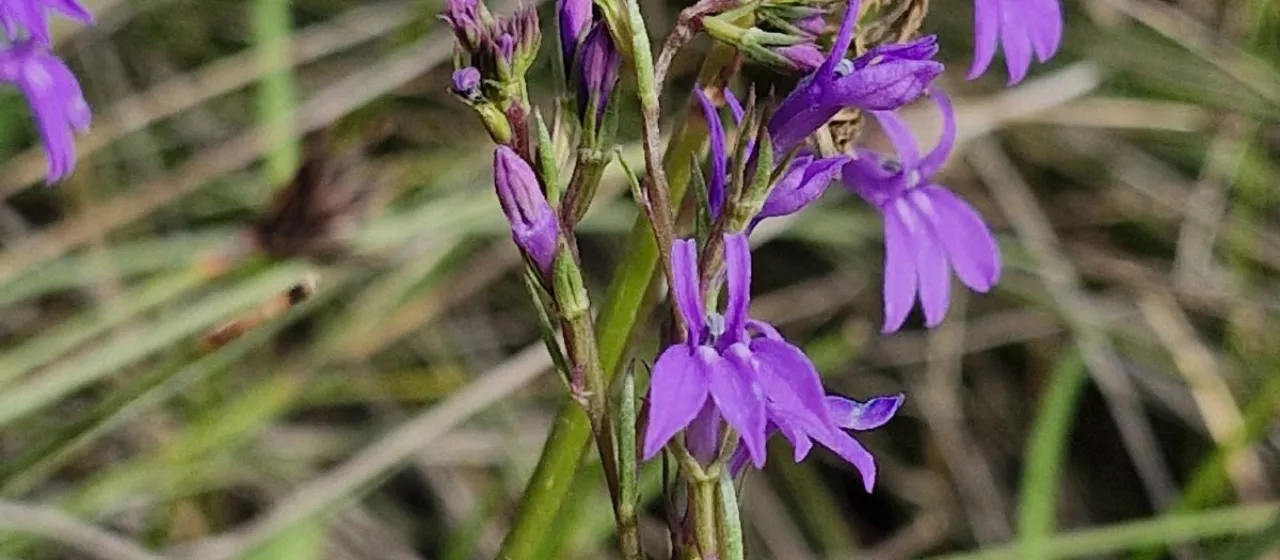
Botanically, the plant features erect, slender stems that support spikes of small, tubular, purplish-blue flowers. The leaves are generally lanceolate and arranged along the stem. It typically blooms from late summer into early autumn, providing late-season color in its native habitats.
Cultivation of Lobelia urens requires strict adherence to environmental preferences. It thrives in acidic, moist, and well-draining soils. In a garden setting, it is best suited for bog gardens or edges of ponds where consistent moisture is naturally available. Mulching is recommended to prevent soil moisture loss during summer peaks.
- Requires consistent soil moisture.
- Prefers acidic to neutral pH.
- Tolerates partial shade.
- Can be propagated by seeds or division.
In terms of plant health, it is relatively resistant to insect attacks, though it may occasionally suffer from aphids. The main physiological threats include root rot caused by poor soil drainage. While it has historical medicinal associations, its toxicity makes it primarily an ornamental choice for specialized garden beds.