
Description
Mexican Loeselia (Loeselia mexicana) is a perennial shrub belonging to the Polemoniaceae family. Often referred to in its native regions as "espinillia," this plant is highly valued for its medicinal properties and its ability to thrive in harsh environments. Understanding its botanical structure is key to managing it as a specialized agricultural crop.
Native to Mexico, this plant is primarily found in arid to semi-arid climates, particularly in rocky hillsides and sunny open spaces. Its geographical distribution reflects its evolutionary adaptation to high solar radiation and low soil fertility. In an agricultural context, it is considered a niche crop suitable for regions with similar semi-desert climate profiles.
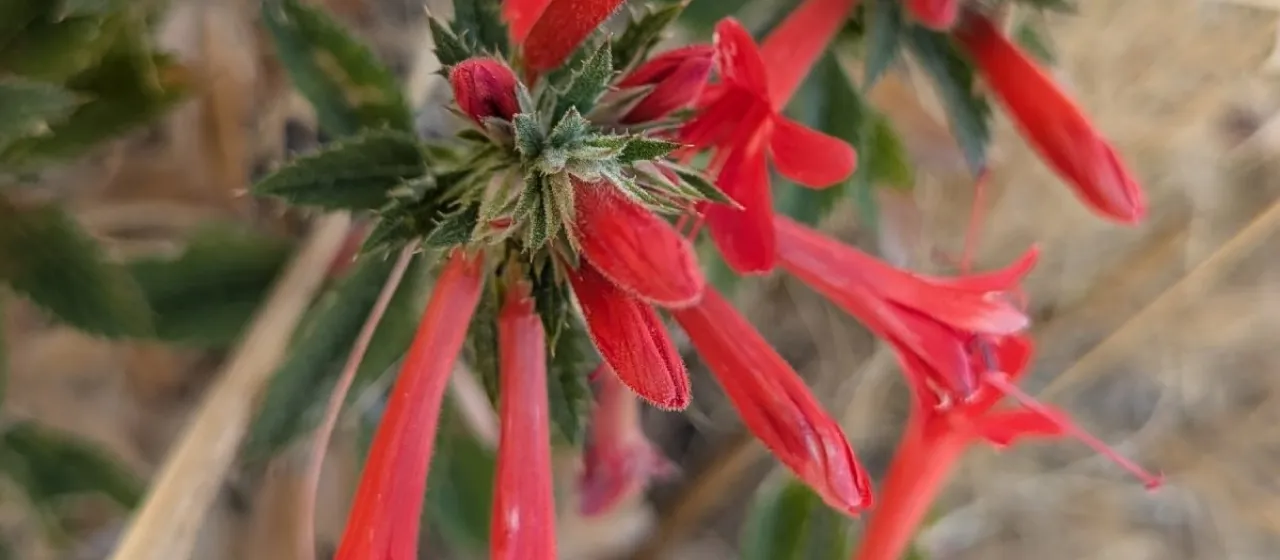
Botanically, Loeselia mexicana is characterized by its woody base, upright stems, and dentate leaves. Its flowers, which are typically tubular, range from deep red to purple, adding an ornamental value alongside its chemical utility. The plant’s root system is specialized, designed to forage deeply for moisture in well-drained, porous, or volcanic soils.
To successfully cultivate this species, producers must pay close attention to irrigation management. Over-watering is the primary cause of failure, as the plant is highly susceptible to root decay. Soil pH should ideally be neutral or slightly alkaline. In terms of maintenance, it requires high light intensity and protection from frost, as the species is not winter-hardy in temperate zones.
The plant is mainly utilized in the pharmaceutical industry for its traditional properties as an antipyretic and diaphoretic agent. Major agricultural challenges include controlling for soil-borne pathogens and typical greenhouse pests like spider mites or aphids if grown in controlled environments. Proper spacing and airflow are essential to maintaining crop health and maximizing biomass yield.