
Description
Tall fescue (Latin Lolium arundinaceum, formerly Festuca arundinacea) is a hardy perennial grass belonging to the Poaceae family. It is widely recognized as one of the most versatile and durable forage crops, capable of maintaining high yields in permanent pastures and hay fields for over a decade due to its deep root system and resilience.
Native to Europe, North Africa, and parts of Asia, this species has been introduced globally, proving its adaptability to diverse climatic conditions. Its natural habitat range extends from cool temperate zones to subtropical regions, making it a staple crop in many international agricultural systems where soil and climate stability is challenging.
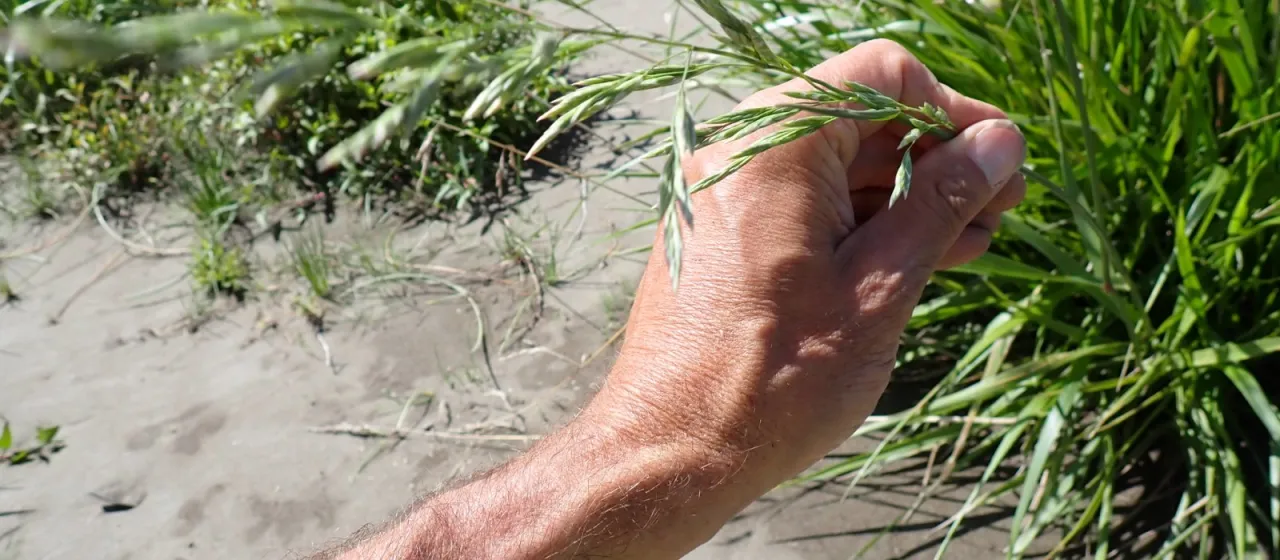
Botanically, it is a bunch-type grass forming thick, productive stands. It features coarse, dark green leaves and strong, erect stems that can reach heights of 1.5 meters. The inflorescence is a panicle that produces high volumes of seed. The plant's deep, fibrous roots allow it to access water deep in the soil, providing excellent drought resistance compared to other cool-season grasses.
In terms of agricultural requirements, tall fescue thrives best in deep, fertile loams but excels in difficult environments, including wet soils, moderate salinity, and low pH levels. Cultivation practices should focus on proper nitrogen management to maximize biomass and regular harvest schedules to ensure the nutritional quality of the forage remains high before the plant stems become too lignified.
The primary agricultural and industrial uses for tall fescue are:
- Livestock grazing and high-quality hay or silage production.
- Soil conservation and erosion control on embankments and slopes.
- Reclamation of marginal and degraded agricultural lands.
- Establishing heavy-duty turf for parks, airports, and sports fields.
Despite its toughness, the crop is susceptible to certain pathogens like crown rust and leaf spot, which are more prevalent in high-humidity seasons. Common pests include the Hessian fly, cereal aphids, and nematodes. Effective management involves integrated pest management (IPM) strategies, choosing resistant varieties, and maintaining proper field sanitation to prevent outbreaks.