
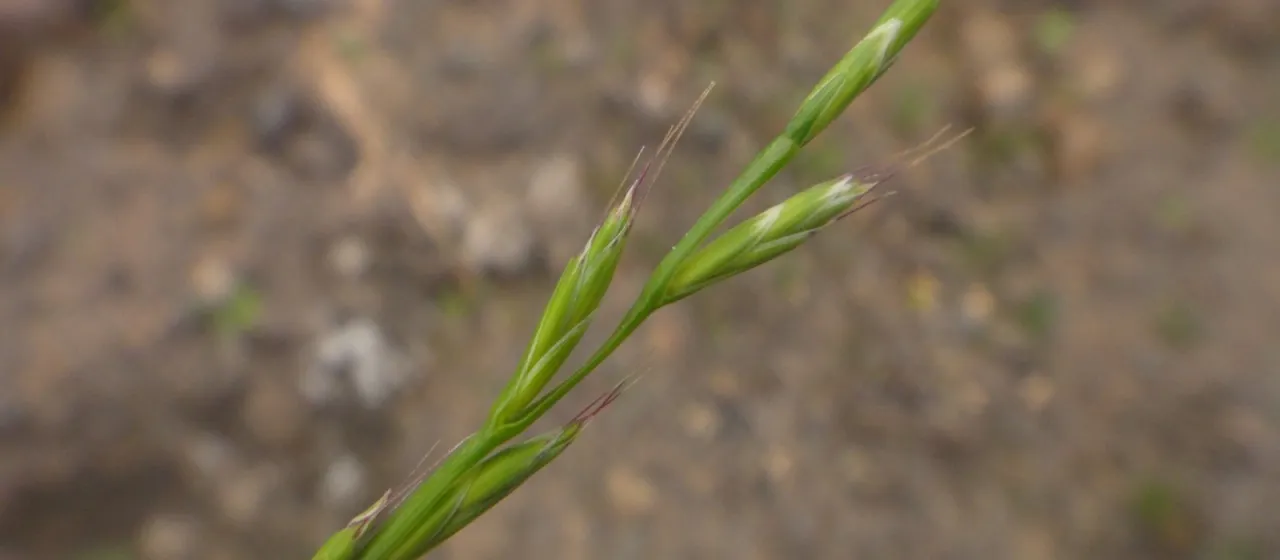
Description
Canary ryegrass (Lolium canariense) is an annual herbaceous plant belonging to the grass family (Poaceae). Although the genus Lolium is widely distributed globally, this specific species is endemic to the Canary Islands, displaying specialized adaptations that reflect its unique insular environment.
The origin of this species is strictly linked to the Canary archipelago. Its natural habitat includes open grasslands and island slopes, where it has evolved to thrive in a Mediterranean-Atlantic climate. This geographic isolation has contributed to its distinct genetic traits compared to other ryegrass species used in industrial agriculture.
Botanically, the plant features erect stems, narrow leaves, and a spike-type inflorescence. It possesses a moderate root system, characteristic of annual grasses, and demonstrates high tillering capacity. These features allow the plant to establish itself quickly and produce significant vegetative mass during its relatively short growing season.
Climate and soil requirements for this crop prioritize well-drained soils and temperate, moist conditions. In agricultural practice, it is essential to manage soil nutrient levels to maximize yield. Proper site selection is critical, as the species performs best in areas that mimic its native mild, maritime environment, ensuring consistent growth without excessive temperature stress.
Economically, the species is primarily valued as a forage resource for livestock. Its nutritional profile makes it a viable candidate for sustainable grazing systems. Agricultural challenges include susceptibility to typical cereal diseases like rust or mildew and threats from pests such as aphids and grass-feeding insects.
- Integrated pest management strategies are recommended.
- Regular soil testing is necessary for optimal development.