
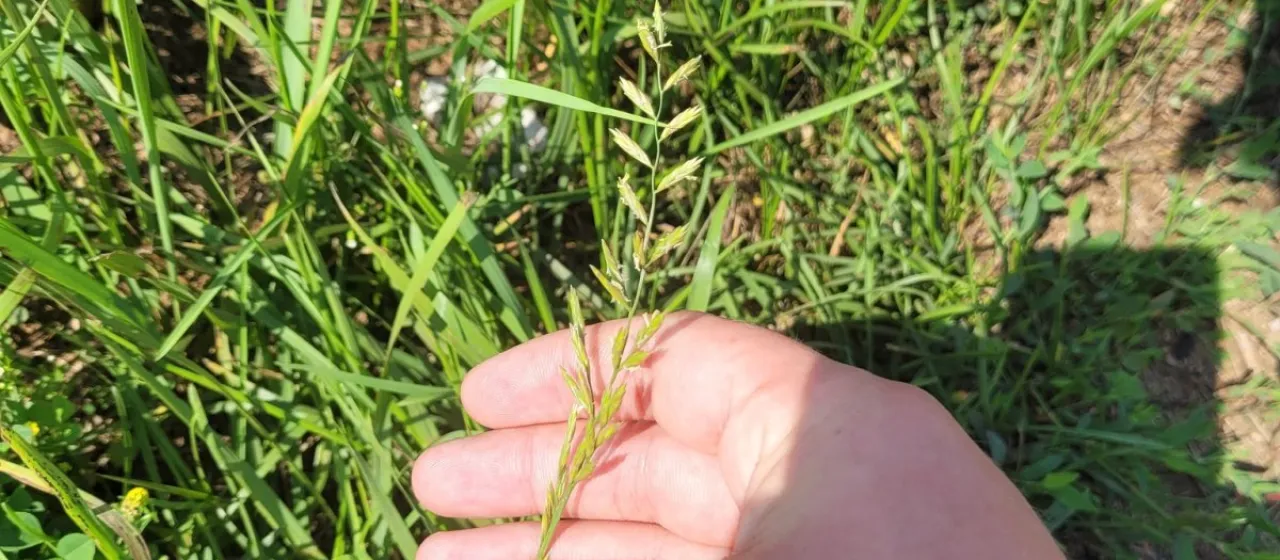
Description
Festulolium is a distinct genus of hybrid grasses produced by crossing species from the Lolium (ryegrass) and Festuca (fescue) genera. Belonging to the Poaceae family, this crop was scientifically developed to maximize forage production efficiency. It successfully integrates the rapid growth, high energy content, and excellent palatability of ryegrass with the superior winter hardiness, drought tolerance, and soil adaptability of fescue, making it a premium choice for modern dairy and beef production.
The distribution of Festulolium spans across temperate regions globally, where it is favored for its remarkable versatility. It performs exceptionally well in diverse soil conditions, from heavy, wet clay soils to well-drained loams. Because of its wide climatic adaptation, it is increasingly used in regions prone to temperature extremes, offering farmers a reliable source of green fodder when traditional ryegrass stands might struggle to survive.
Botanically, Festulolium is a perennial grass that typically grows in dense bunches. Its root system is exceptionally deep and fibrous, which provides both stability and endurance during dry spells. The foliage is lush and abundant, characterized by broad, high-protein leaves that maintain nutritional quality for longer durations compared to other forage grasses. This unique physiological structure allows the plant to continue producing biomass even under variable environmental conditions throughout the growing season.
Agrotechnical management of Festulolium focuses on optimizing nutrient supply and grazing cycles. The crop responds best to fertile, well-drained soil and requires consistent nitrogen application to maintain high yield levels after each cutting or grazing event. It is essential to manage the height of the sward, ensuring that the plant has enough leaf area to recover quickly. Proper soil testing and pH management are crucial to achieving the full genetic potential of this highly productive grass.
In terms of agricultural use, Festulolium is primarily harvested for high-quality hay, silage, or direct grazing by livestock. While it is a robust crop, producers should remain vigilant against common grass diseases like rust and powdery mildew, particularly in humid climates. Insect pests such as aphids or grass flies may also appear; however, by maintaining vigorous growth and proper crop rotation practices, farmers can successfully mitigate these risks and maintain healthy, profitable forage stands for many years.