
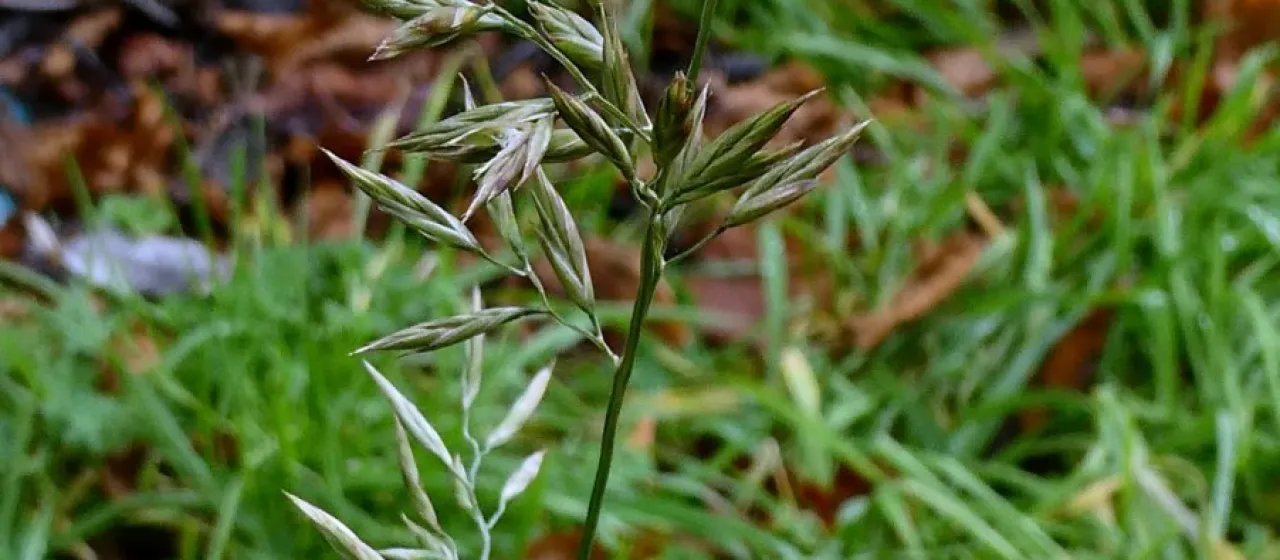
Description
Meadow fescue (Latin: Festuca pratensis) is a perennial cool-season grass belonging to the Poaceae family. It is recognized as one of the most reliable and productive forage grasses in temperate climates, favored by farmers for its high nutritional value and longevity in pastures.
Native to Europe and parts of Asia, meadow fescue has been introduced globally to areas with temperate environments. It thrives in regions with adequate rainfall, making it a staple crop for permanent meadows and rotation pastures across North America, Europe, and Russia.
Botanically, it is a bunchgrass that grows in loose tufts, producing a significant amount of basal foliage. Its root system is fibrous and deep-reaching, allowing the plant to remain resilient during periods of mild drought. The leaves are soft and palatable, which contributes to the high quality of hay produced from this species.
Regarding cultivation, meadow fescue performs best on fertile, moist, and well-drained soils. It shows a unique tolerance for damp, heavy soils and can withstand occasional flooding better than many other forage grasses. Good management involves timely nitrogen fertilization and strategic harvesting to maintain a dense and healthy stand.
Meadow fescue is extensively used for hay, silage, and intensive grazing. It is highly valued for its high protein content and digestibility, which are essential for livestock performance. Like other grasses, it can be susceptible to rust diseases or damage from stem-boring insects, requiring consistent field scouting and integrated pest management.
- Excellent forage quality
- High moisture tolerance
- Strong winter hardiness
- High regrowth capacity