
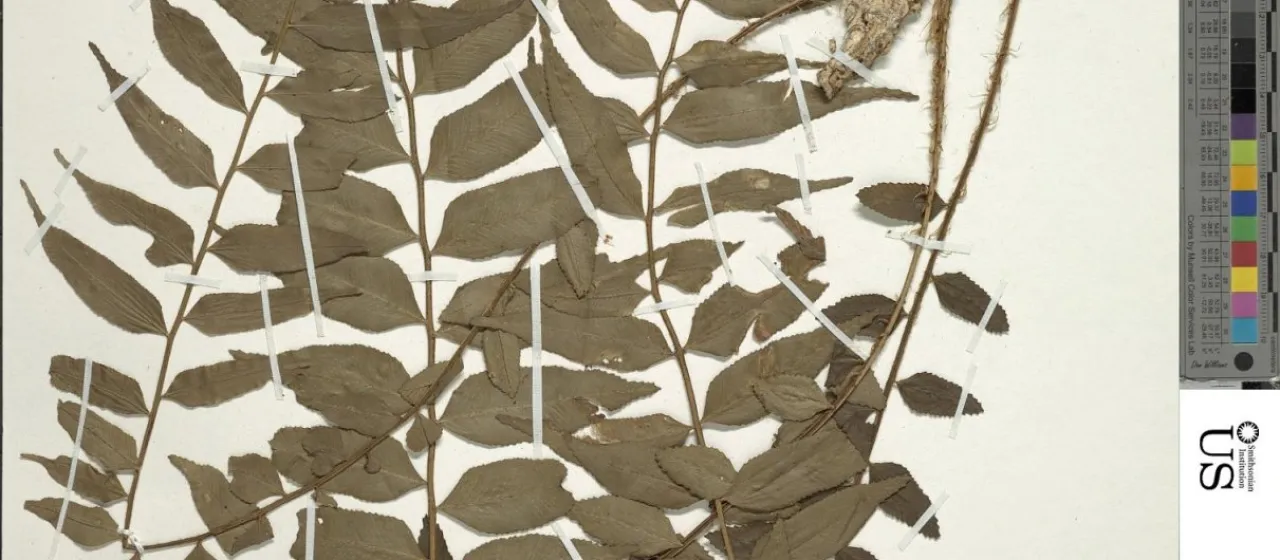
Description
Lomariopsis sorbifolia is a distinctive fern species belonging to the Lomariopsidaceae family. It is recognized for its unique morphology and complex habitat requirements, which make it a sought-after subject for botanical collections and specialized interior landscaping projects that focus on tropical flora.
The plant originates from the tropical rainforests of the Americas, specifically thriving in the Caribbean region and northern parts of South America. It typically occupies humid niches, growing on forest floors or as an epiphyte on tree trunks, which necessitates a growing environment that mimics these specific microclimatic conditions.
Botanically, Lomariopsis sorbifolia is defined by its pinnate fronds that bear a striking resemblance to rowan leaves. The plant features a creeping rhizome system that allows it to anchor itself effectively onto various surfaces. The vegetative growth is relatively slow compared to other common fern species, emphasizing the importance of consistent care in its maintenance.
For successful cultivation, the following agrotechnical standards should be met:
- Maintain relative humidity levels above 70% consistently throughout the year.
- Provide filtered, indirect light to prevent leaf scorching.
- Ensure excellent drainage in the growing media to prevent root suffocation.
- Keep ambient temperatures steady, ideally within the 22-26°C range.
Economically, this plant serves primarily the ornamental market, often utilized in high-end greenhouse setups and paludariums. Disease management is crucial; common issues include fungal infections and root rot, which are largely preventable by maintaining proper aeration and hygiene. Pests, particularly spider mites, are frequent challenges that require proactive integrated pest management strategies.