
Description
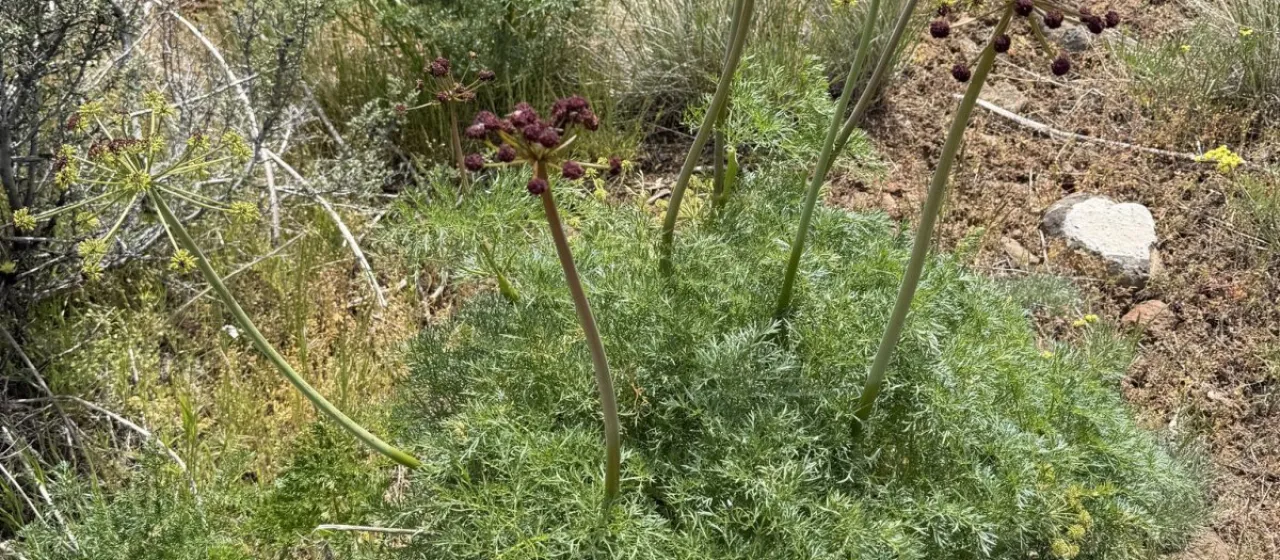
Lomatium multifidum is a perennial herbaceous plant belonging to the Apiaceae (parsley) family. It is recognized for its finely dissected, fern-like leaves and its ability to thrive in harsh environments, making it a unique candidate for specific niche agricultural projects focused on drought-resistant crops.
The native habitat of this species is found in the arid and semi-arid regions of North America, particularly in mountainous and plateau areas. Because of its evolutionary adaptation to these climates, the plant possesses a remarkable ability to survive extreme temperature fluctuations, cold winters, and prolonged drought seasons.
Botanically, the plant is characterized by a deep taproot that stores energy, allowing it to survive periods of dormancy. It produces small, yellow-to-white flowers arranged in umbels, typical of the Apiaceae family. The architecture of the plant is compact, which reduces its exposure to high winds and evaporation.
Agronomic requirements for cultivating Lomatium multifidum primarily focus on soil composition. It requires exceptionally well-drained, porous soils, such as sandy loams or rocky substrates. Standard agricultural practices involve avoiding sites with standing water, as the species is highly susceptible to root decay if drainage is poor.
Economically, the plant is valued for its potential in the pharmaceutical industry due to its historical use as a traditional medicinal plant. Furthermore, its drought tolerance makes it a sustainable crop for regions suffering from water scarcity, and it serves as an excellent pollinator-friendly addition to agricultural landscapes.
- High drought tolerance.
- Preference for full sun exposure.
- Minimal nutrient requirements.
- Resilience to temperature extremes.
Disease management is centered on preventing fungal infections such as root rot or mildew, which can occur if the moisture levels remain too high for extended periods. Integrated pest management, including regular inspection and maintaining plant spacing, is essential to protect the crop from aphids and other common pests.