
Description
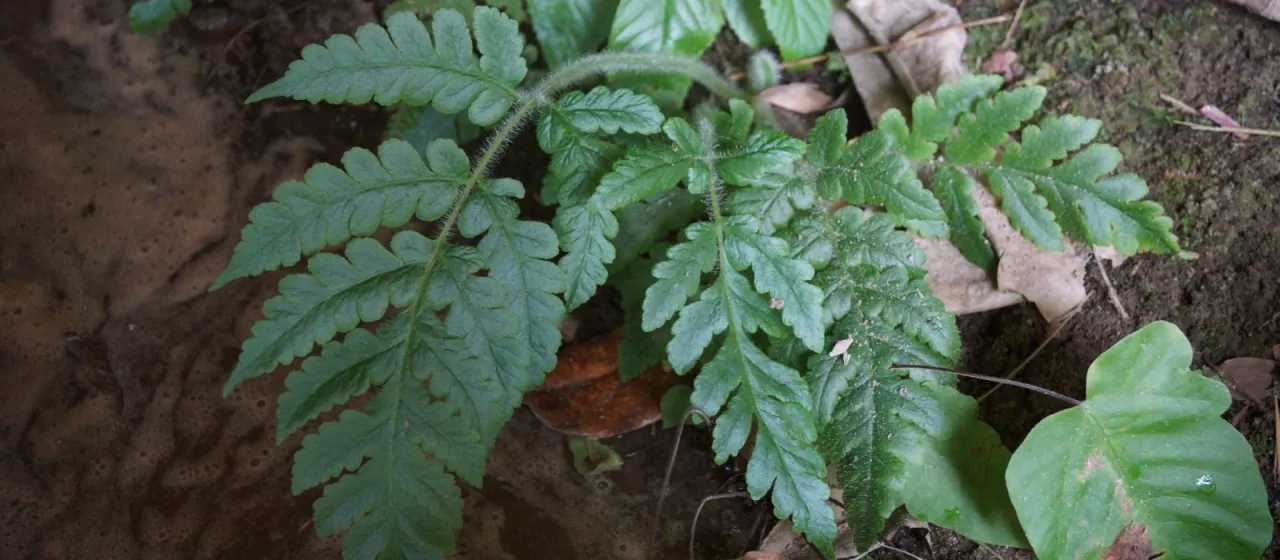
Lonchitis hirsuta is a distinct species of large perennial fern belonging to the family Dennstaedtiaceae. Known for its specific hair-like structures covering the fronds, this plant is an interesting subject for both botanical study and specialized ornamental cultivation in tropical-climate settings.
The native habitat of Lonchitis hirsuta extends across the tropical regions of Central and South America. These ferns are typically found in humid, shaded environments within rainforests, where they benefit from consistent precipitation and nutrient-rich, organic soil layers that characterize the forest floor.
Botanically, the species is recognized by its robust, sprawling rhizomes and large, pinnate fronds. The pubescence (hairiness) found on the petioles is a key identifying feature. Unlike smaller ferns, this species requires significant physical space to accommodate its mature foliage, which can spread out broadly under proper care.
Regarding agrotechnical requirements, the plant demands a warm climate with no exposure to frost. It thrives in well-draining, acidic, organic-rich potting mixes. Maintaining high humidity is essential; therefore, the application of misting systems or a controlled greenhouse environment is highly recommended to ensure healthy frond development and to prevent tip burn.
The agricultural and ornamental utilization of Lonchitis hirsuta is currently limited to specialty nurseries and private botanical collections. It serves as a decorative element in conservatories due to its lush, green appearance. Management of the species requires vigilance against several biological stressors, such as:
- Root rot caused by over-irrigation in non-porous soil media.
- Scale insects that may attach to the underside of the fronds.
- Fungal pathogens which thrive in poorly ventilated, high-humidity environments.