
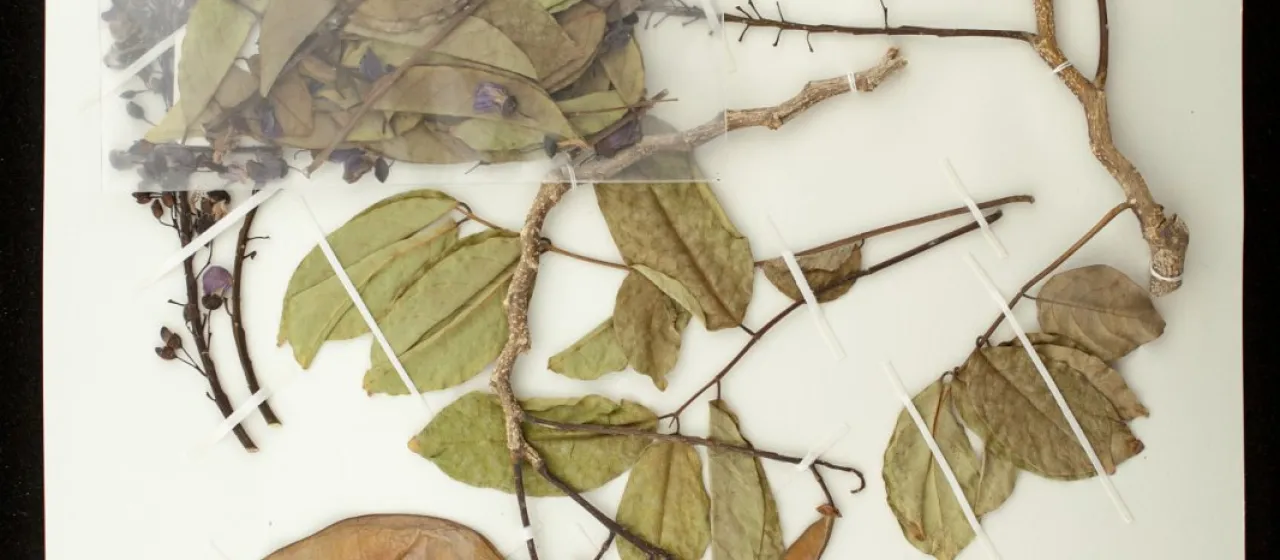
Description
Lonchocarpus violaceus is a distinctive tree species belonging to the Fabaceae family. Known for its aesthetic and functional qualities, this plant has gained attention in tropical agroforestry. It typically grows as a medium-sized tree, characterized by a robust trunk and a spreading canopy, making it an essential component of local ecosystems.
Originating from the Caribbean and Central American regions, this species is naturally adapted to tropical climates with distinct wet and dry seasons. It is commonly found in coastal forests and rocky terrain, demonstrating a remarkable resilience to environmental stressors like high temperatures, salinity, and poor soil conditions, which are typical for its native range.
Botanically, the species features pinnately compound leaves and racemes of violet-colored flowers, which give the tree its common name. The fruit is a typical legume pod, which assists in the dispersal of seeds. The root system of Lonchocarpus violaceus is deep and well-developed, contributing to the plant's stability and its ability to access subsurface moisture during arid periods.
For successful cultivation, the plant requires well-drained soil and high levels of sunlight. It is relatively undemanding in terms of nutrient input, partly due to the symbiotic relationships between its roots and nitrogen-fixing bacteria. Regular maintenance, such as formative pruning, is recommended during the early stages of growth to encourage a strong, upright structure.
The economic and agricultural utility of this plant is multifaceted. It is utilized in reforestation projects to combat soil erosion and improve soil fertility through nitrogen fixation. Additionally, the wood is valued for its durability and is historically used for small-scale construction and artisan work. While generally hardy, the tree should be monitored for common tropical pests such as stem-boring insects and fungal leaf spots.
- Natural nitrogen-fixing properties.
- Drought tolerance in mature specimens.
- Valuable for coastal land stabilization.
- Attractive purple inflorescences.