
Description
Alpine honeysuckle (Latin: Lonicera alpigena) is a perennial deciduous shrub belonging to the Caprifoliaceae family. Unlike its edible relatives, this plant is cultivated primarily for its ornamental value. It forms a dense, bushy structure, typically reaching heights of up to 2.5 meters, making it an excellent candidate for structural planting in garden designs.
The native range of this species is centered in the mountain regions of Central and Southern Europe, particularly the Alps. It is adapted to growing in forest margins and mountainous terrains, which has endowed the species with high winter hardiness and the ability to thrive in cooler, temperate climates where other ornamental plants might struggle.
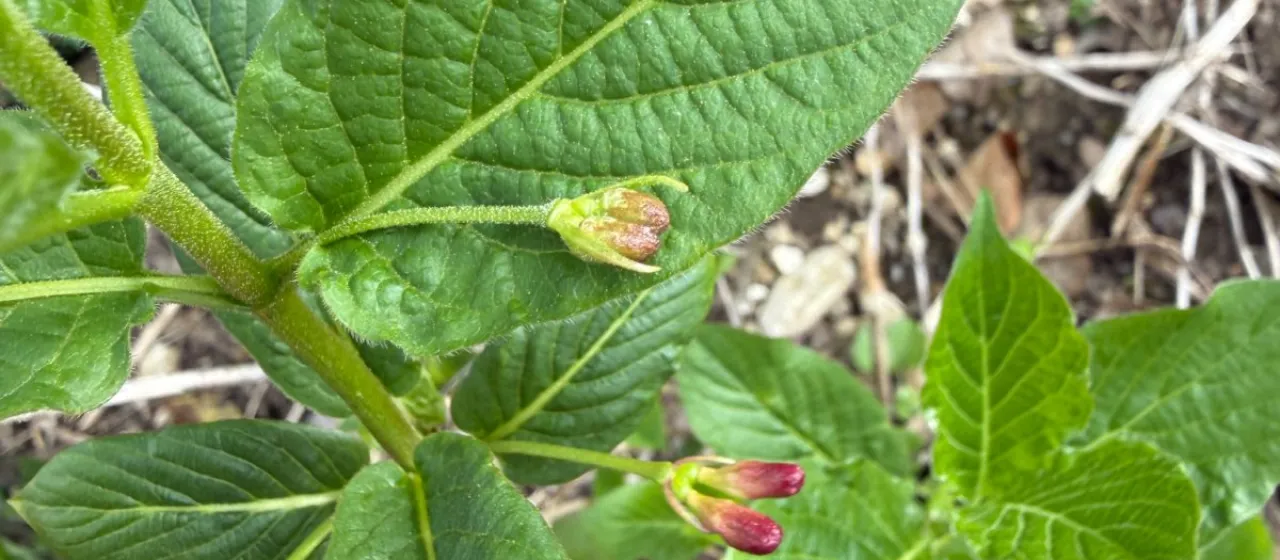
Botanically, the plant is characterized by opposite, dark green elliptical leaves and small, reddish-yellow tubular flowers. A key identifier of this species is its bright red, paired berries that are often fused at the base. It is essential for gardeners to recognize that these berries are not edible and should be treated as ornamental fruit only.
In terms of cultivation, Alpine honeysuckle prefers fertile, well-draining soil with consistent moisture. While it is tolerant of partial shade, it performs best in locations that receive dappled sunlight throughout the day. Agricultural practices include spring fertilization with organic matter and consistent pruning to maintain the desired shape and density of the shrub.
The plant is relatively resistant to pests and diseases, though it may occasionally be affected by aphids or powdery mildew in poor air-circulation conditions. Gardeners can manage these issues with standard organic fungicides or horticultural oils. When integrated into landscapes, it serves well as a background shrub in mixed borders or as a robust component of wildlife-friendly garden hedges.