
Description
Lonicera alseuosmoides is an evergreen or semi-evergreen climbing shrub belonging to the Caprifoliaceae family. Known for its elegant vine-like habit, this species is primarily valued in ornamental horticulture for its ability to provide dense, lush coverage on vertical structures, making it an excellent candidate for specialized landscaping and garden design.
Native to the mountainous regions of China, specifically within the Yunnan and Sichuan provinces, the plant is naturally adapted to moist forest margins and rocky outcrops. In cultivation, it thrives in environments that mimic its native mild, humid climate. Because of its origin, it requires protection from severe frost and wind, which can desiccate its leathery foliage.
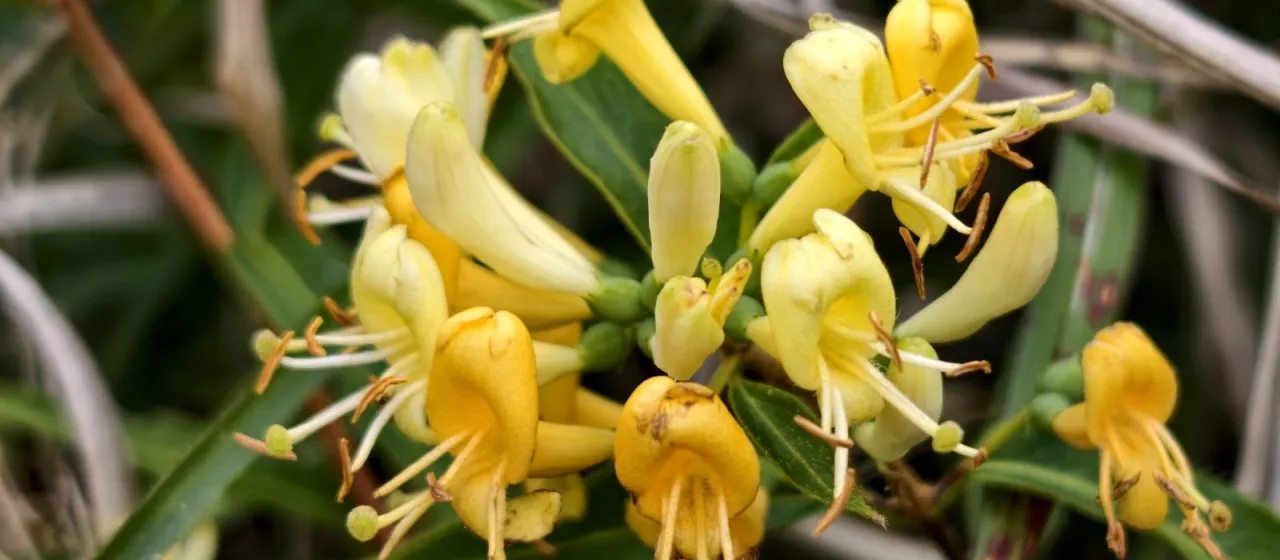
The botanical structure of this honeysuckle includes thin, twining stems and dark green, leathery leaves that often persist throughout the winter. The flowers are characteristically tubular, typically appearing in clusters with a pleasant, subtle fragrance. Following the blooming season, the plant produces small, ornamental fruits that add to its visual appeal in late summer.
Cultivation success relies on providing well-drained, fertile soil with a neutral to slightly acidic pH. The plant thrives in partial shade but can tolerate brighter spots if soil moisture is consistently managed. It is essential to ensure adequate airflow around the foliage to prevent heat buildup and maintain the health of the climbing stems during the growing season.
The primary use of Lonicera alseuosmoides is ornamental, serving as a decorative climber for walls, trellises, and arbors. Essential care practices include:
- Regular pruning to manage size and promote dense branching.
- Application of organic matter or balanced fertilizers in early spring.
- Consistent irrigation during the establishment phase and peak summer heat.
- Applying winter mulch to protect the root zone in colder microclimates.
The plant is susceptible to common garden pests such as aphids and spider mites, particularly when grown under suboptimal conditions. Furthermore, high humidity without proper ventilation can lead to fungal issues, including powdery mildew and leaf spot. Effective management involves integrated pest control and ensuring that the plant is not overcrowded, which facilitates better air circulation.