
Description
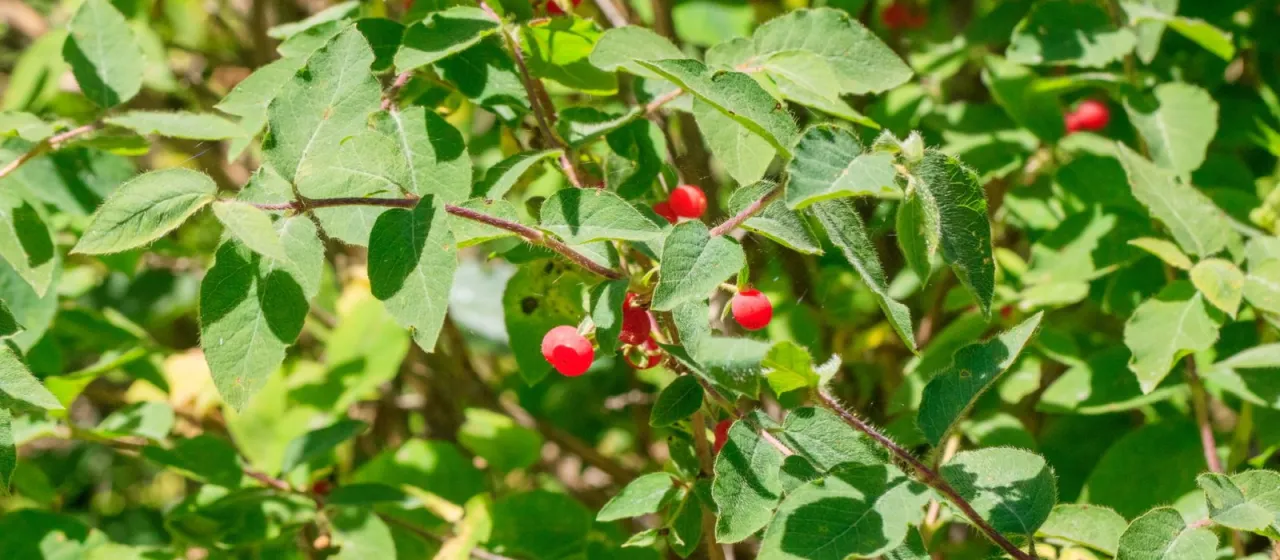
Altmann's Honeysuckle (Lonicera altmannii) is a perennial deciduous shrub belonging to the Caprifoliaceae family. This plant is recognized for its ornamental value and its robust nature, making it a suitable choice for various landscape projects that require reliable and attractive vegetation.
The native range of this species is primarily concentrated in the mountainous areas of Central Asia. Adapted to harsh mountainous environments, the plant has evolved to survive in rocky and well-drained terrains, which is a critical factor to consider when introducing it into garden environments.
Botanically, it is characterized by a dense growth habit with upright or spreading branches. The foliage is typically opposite, providing a lush appearance during the growing season. The reproductive structures produce small, charming flowers followed by fruits, which contribute to its ecological role within its natural habitat.
When cultivating this species, it is essential to mimic its natural soil preferences, which favor well-draining, nutrient-rich substrates. Proper care involves moderate irrigation, especially during the establishment phase, and routine pruning to ensure air circulation within the canopy, which helps in preventing various plant diseases.
The primary use of Lonicera altmannii is in ornamental horticulture, where it is often utilized for border plantings and slope stabilization. Common challenges in its cultivation include potential infestations of aphids or occurrences of powdery mildew, which can be effectively managed through integrated pest management and regular site monitoring.