
Description
American honeysuckle (Lonicera americana) is a perennial climbing shrub belonging to the Caprifoliaceae family. Known for its vigorous growth habit and attractive, fragrant flowers, this plant is a staple for gardeners looking to add vertical interest and lush foliage to their landscapes.
The species originated in regions with temperate climates and has become popular across various botanical gardens and private estates. It thrives best in areas that provide protection from harsh winter winds while allowing for sufficient sunlight to reach its twining stems, which can extend to significant heights when provided with proper support.
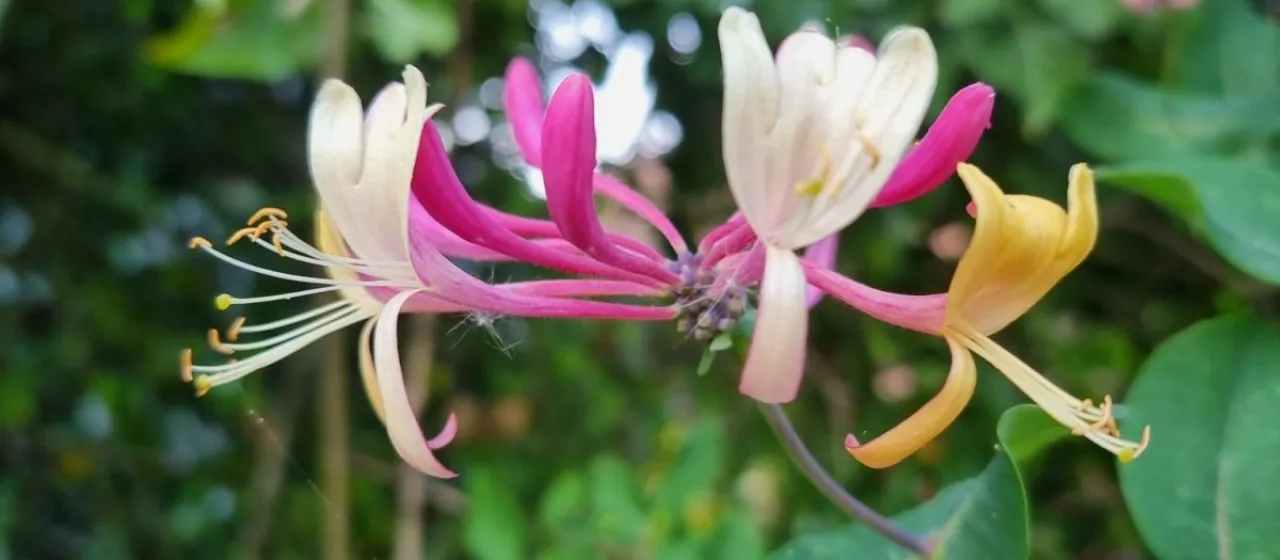
Botanically, Lonicera americana is distinguished by its opposite leaves and clusters of tubular flowers. These blooms often undergo color transitions as they mature, creating a dynamic visual effect throughout the flowering season. It is important to note that the berries produced by this specific honeysuckle are primarily ornamental and are not intended for human consumption.
Regarding cultural requirements, this honeysuckle prefers fertile, well-draining soil that remains consistently moist. It is relatively adaptable, though it performs best when provided with organic mulch to maintain root coolness and balanced moisture levels. Pruning is an essential maintenance task, typically performed after the flowering period, to keep the plant within its desired bounds and promote vigorous branching.
In terms of practical utility, it is primarily used in landscaping to cover walls, pergolas, and trellises. While generally robust, gardeners should stay vigilant against common issues such as aphids or fungal diseases like powdery mildew. Proper airflow and sunlight exposure are the best preventive measures to ensure the plant remains healthy and vibrant throughout the growing season.