
Description
Canadian honeysuckle (Lonicera canadensis) is a deciduous shrub species belonging to the Caprifoliaceae family. Known for its elegant growth habit, it is primarily valued in botanical gardens and landscaping as an ornamental plant rather than for agricultural food production.
The species originates from North America, specifically ranging across the eastern parts of Canada and the United States. It naturally thrives in the understory of coniferous and mixed forests, demonstrating a high degree of tolerance for cooler climates and partial shade conditions typical of its native forest environment.
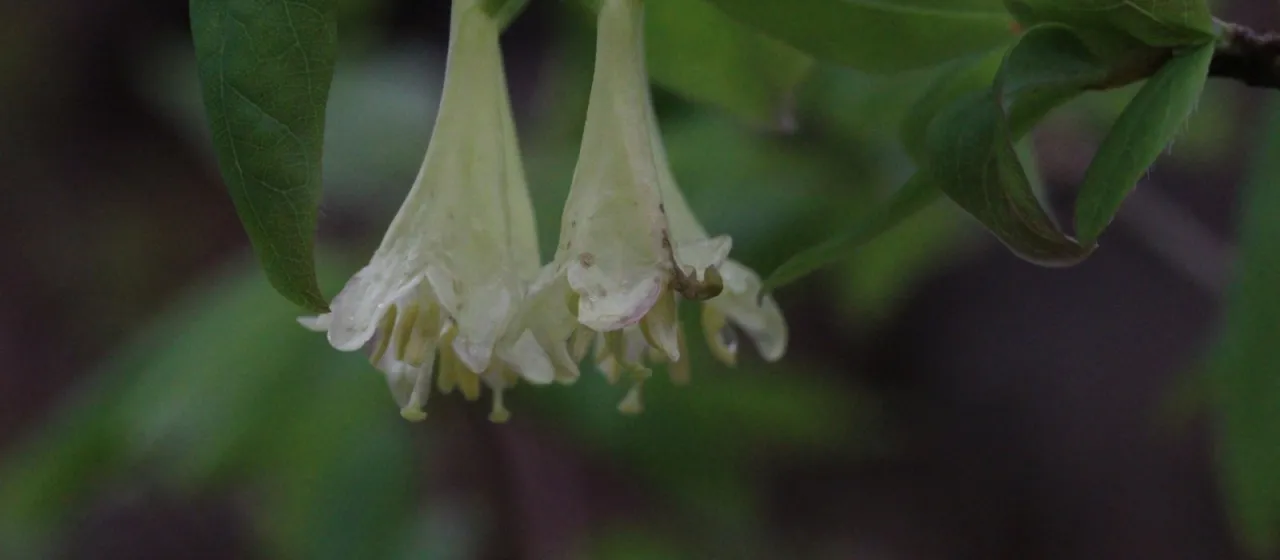
Botanically, this shrub grows to an average height of 1 to 2 meters. It features opposite, ovate leaves and produces pairs of small, yellow-white flowers in the spring. Following pollination, the plant yields bright red berries that are not edible, providing visual interest during the summer season as the foliage matures.
Regarding cultivation requirements, Lonicera canadensis prefers moist, well-drained, and slightly acidic to neutral soils. It exhibits excellent cold hardiness, making it suitable for northern regions. While it is shade-tolerant, adequate sunlight is recommended for better density and flower production. Maintaining soil moisture is essential for healthy development.
Agronomic management involves standard maintenance practices, including thinning the crown to improve airflow and preventing moisture-related fungal diseases such as powdery mildew. Aphids and scale insects are the most common pests for this species. Regular monitoring and moderate pruning help ensure the plant remains vigorous and aesthetically pleasing throughout the growing season.
- Excellent cold tolerance
- Shade-tolerant characteristics
- Low maintenance requirements
- High landscape value for ecological restoration