
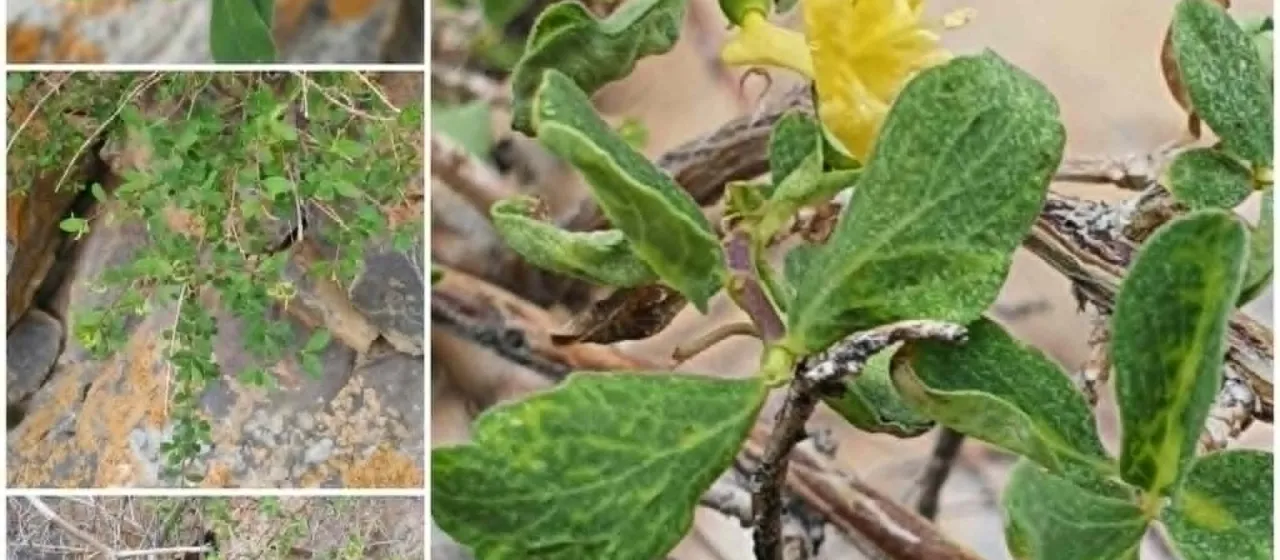
Description
Bristly-fruited honeysuckle (Lonicera chaetocarpa) is a deciduous shrub belonging to the Caprifoliaceae family. It is distinct among other honeysuckle species due to its unique fruit morphology, where the berries are covered in coarse, stiff hairs, providing a visually interesting texture to the plant during the fruiting season.
Native to the high-altitude regions of Central China, including Sichuan and Gansu provinces, this plant is naturally adapted to mountain environments. Its evolutionary history in cooler, high-elevation ecosystems allows it to thrive in conditions that would be challenging for many other species of the genus Lonicera.
Botanically, it forms an erect shrub that typically reaches heights of up to 3 meters. The leaves are ovate-oblong with a soft texture, while the flowers, which bloom in late spring, are typically pale yellow or creamy in color. The plant is highly valued for its structural aesthetic and seasonal color changes.
The cultivation of this honeysuckle requires well-drained, nutrient-rich soil with a neutral to slightly acidic pH. It performs best in full sun or partial shade. Establishing a consistent irrigation schedule is crucial during the first two years, although the plant becomes quite resilient once it is well-established in the landscape.
- Adaptable to a wide range of temperate climates.
- Benefits from annual pruning to promote density.
- Generally low maintenance after establishment.
- Resistant to most common horticultural pests.
In terms of agricultural and horticultural utilization, Lonicera chaetocarpa is primarily grown as an ornamental shrub. It is an excellent choice for hedge plantings or woodland garden borders. While its berries are produced in abundance, they are not consumed as a food crop, serving instead as a decorative feature that adds interest to the late-summer garden.