
Description
Orange honeysuckle (Lonicera ciliosa) is a perennial climbing plant belonging to the Caprifoliaceae family. Unlike some other honeysuckle varieties cultivated for their edible berries, this species is highly valued for its striking visual appeal, particularly during the flowering season when it produces vibrant, tubular blossoms.
The plant is native to the western regions of North America, where it thrives in forest margins, open woodlands, and mountainous slopes. Its natural habitat dictates its preference for specific environmental conditions, which gardeners must replicate to achieve optimal growth and health in a landscape setting.
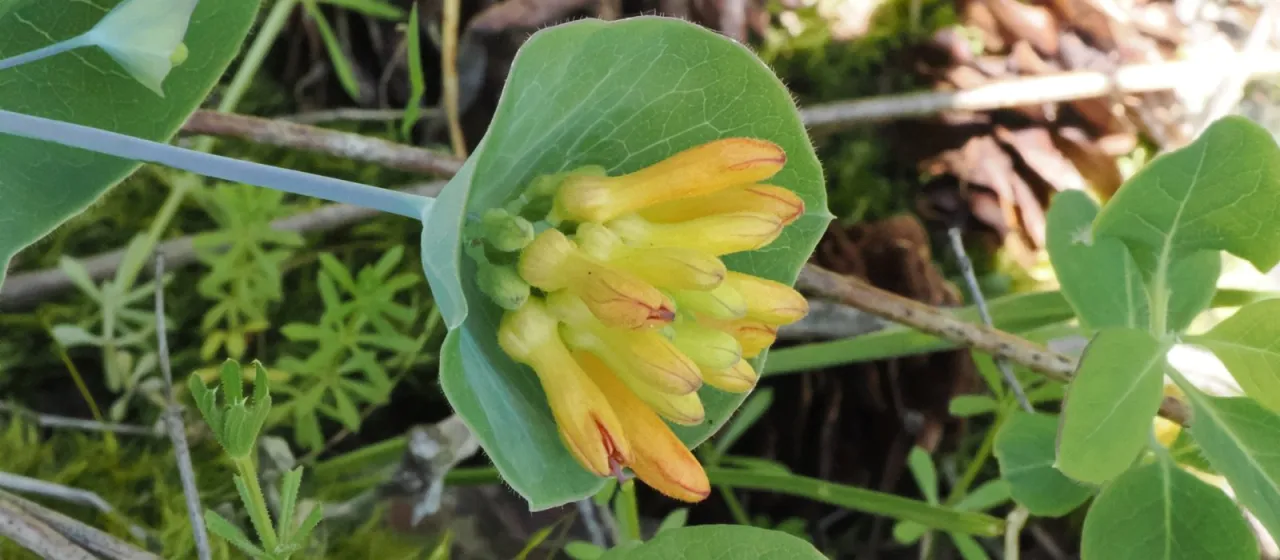
Botanically, Lonicera ciliosa is a deciduous vine characterized by leaves that are often perfoliate, meaning the leaf blades are fused around the stem at the base. The flowers are typically orange or yellowish-red and grow in terminal clusters. The plant produces berries that are considered inedible, serving mostly to provide food for birds and wildlife rather than human consumption.
Regarding cultivation, this species prefers sites with rich, well-draining, and moist soil. It is best suited for partial shade, as excessive direct sunlight can cause the foliage to scorch and the roots to overheat. Providing consistent irrigation during the peak of the growing season is crucial, as the plant is not naturally drought-tolerant and requires steady moisture levels to maintain its vigor.
The primary use of orange honeysuckle is as an ornamental vine for pergolas, fences, and trellises. To ensure a healthy and thriving plant, growers should follow these maintenance practices:
- Pruning back old or diseased stems in late winter or early spring.
- Applying a balanced organic fertilizer to promote healthy growth.
- Installing durable support structures to accommodate the twining habit of the vines.
- Monitoring for common pests like aphids and powdery mildew infections.
- Applying a layer of organic mulch around the base to retain moisture and regulate soil temperature.